Is Your Teen Driving This Summer in Sarasota? Know the Risks and Legal Liability

Summer vacation in Sarasota, Florida should be a time of fun and freedom for teenagers. Unfortunately, the warmer months also bring a heightened risk of car accidents involving teen drivers on Sarasota’s roads. In fact, the period between Memorial Day and Labor Day is often called the “100 Deadliest Days” for teen drivers due to a sharp increase in crashes and fatalities. Car accidents are the leading cause of death for U.S. teens age 15-20, with roughly 2,500 teens killed and 285,000 injured in crashes each year (about seven teen fatalities every day). Sarasota has seen firsthand the tragic consequences – in one recent case, a 16-year-old driver ran a stop sign and caused a T-bone collision that seriously injured six local teenagers. At the law firm of Goldman, Babboni, Fernandez, Murphy & Walsh we will examine why summer is especially dangerous for teen drivers in Sarasota, the legal implications of teen-involved accidents under Florida law, and actionable steps for prevention and protecting your rights. It also highlights how the experienced Sarasota car accident attorneys at Goldman, Babboni, Fernandez, Murphy & Walsh (Justice Pays) are committed to helping victims of teen driver accidents seek justice.

Is Your Teen Driving This Summer in Sarasota? Know the Risks and Legal Liability

Why Summer Is Especially Dangerous for Sarasota Teen Drivers

Sarasota’s summer months combine several factors that elevate the accident risk for teenage drivers. Teens are out of school and driving more frequently for social outings, beach trips, and summer jobs. Tourists flock to popular Sarasota destinations (from Siesta Key Beach to St. Armands Circle), increasing traffic congestion and bringing together inexperienced local teen drivers and out-of-town drivers unfamiliar with area roads. Daily afternoon thunderstorms common in Florida summers can suddenly drench roads and reduce visibility, creating hazardous conditions that are challenging even for experienced drivers. Unfortunately, novice teen motorists often underestimate these dangers or overestimate their own driving abilities. As a result, summer has earned its reputation as the most dangerous season for teen drivers, with a 30% increase in fatal crashes involving teens compared to the rest of the year.

The “100 Deadliest Days” of Summer for Teen Drivers

Nationwide, the period from Memorial Day to Labor Day – when teens are on summer break – sees a dramatic spike in serious crashes involving teenage drivers. AAA has dubbed this stretch the “100 Deadliest Days” because an average of 8 people are killed each day in teen driver crashes during summer (versus ~7 per day during the school year)2. More than 30% of all teen-driver-related traffic deaths occur in these summer months. In Florida alone there are over 456,000 teen drivers on the road, and in 2023 they were involved in nearly 20,000 crashes, causing over 3,000 injuries and 83 deaths statewide. With so many young drivers hitting Sarasota’s streets in summertime, the risks are compounded.

What makes summer particularly perilous for Sarasota teens? Lack of experience is a baseline issue – new teen drivers (16-17) are almost three times more likely to be involved in a fatal crash than adults. But summer freedom often leads to specific high-risk behaviors behind the wheel:

Worried About Your Teen Driving in Sarasota? Here’s What Causes Most Accidents

Worried About Your Teen Driving in Sarasota? Here’s What Causes Most Accidents

  • Driving Distracted: Distraction is the number one cause of teen crashes. Nearly 6 out of 10 crashes involving teen drivers involve some form of distraction. Often it’s texting or using a smartphone, but even lively conversations with friends can divert a teen’s attention. In fact, teen passengers are the leading distraction for young drivers (ahead of cell phones). Taking eyes off the road for just a few seconds to read a text or interact with friends can be deadly. Florida law now bans texting while driving for all ages, and teens should use “Do Not Disturb” modes or apps to block notifications when behind the wheel.
  • Speeding and Reckless Driving: Excessive speed is a factor in almost 30% of fatal crashes involving teens. Whether from running late or thrill-seeking, teens are more prone to speed and drive too fast for road conditions, especially on Sarasota’s open highways like I-75 or rural stretches. Florida data shows unlawful speeding is the most common traffic citation issued to teen drivers. This was evident in a recent Sarasota crash where a teen driver failed to stop at a stop sign – a form of reckless disregard that led to devastating consequences.
  • Multiple Teen Passengers: Piling friends into the car is a tempting freedom of summer, but it sharply raises the risk of a crash. Studies show that the risk of a fatal accident increases with each additional teen passenger in the vehicle. A single teenage passenger can make a teen driver 2.5 times more likely to engage in risky behavior; with multiple teen passengers, they are 3 times more likely to drive dangerously. The energy and peer pressure from friends can encourage speeding, showing off, or distraction. Florida’s Graduated Driver Licensing rules try to limit underage passengers, but these rules are often stretched or ignored during summer outings.
  • Not Wearing Seat Belts: Teens and their passengers sometimes neglect seat belts, with tragic outcomes. About 1 in 3 teenagers killed or seriously injured in crashes weren’t buckled up. Seat belts are a teen driver’s last line of defense – wearing one reduces the risk of fatal injury by 45% – yet some teens feel invincible or find them uncool. In a deadly Sarasota wreck in 2023, an 18-year-old driver who crashed into a tree had her seat belt on (and sadly did not survive), while her 16-year-old passenger who was not belted was ejected and seriously injured. This heartbreaking example shows that every occupant must buckle up, every ride.
  • Nighttime Driving: Summer means no school the next day, and many teens stay out late at night for parties or driving around. Driving in the dark is inherently more dangerous (reduced visibility, more drunk drivers on the road, etc.), and late-night driving requires extra skill. AAA notes that speeding and driving at night are major contributors to teen crashes during the 100 Deadliest Days. Unfortunately, many teens push their limits with midnight drives on Sarasota’s roads or highways. Florida’s graduated license law sets a 11 p.m. curfew for 16-year-olds (and 1 a.m. for 17-year-olds) unless accompanied by an adult, but these rules are sometimes broken or teens find themselves rushing home before curfew and take risks.
  • Impaired or Drowsy Driving: Summer celebrations like graduation parties or July 4th bring opportunities for underage drinking or drug use, which can lead to impaired driving. Even though Florida enforces a zero-tolerance law for under-21 DUI (any BAC ≥ 0.02% results in an immediate 6-month license suspension), some teens still make the dangerous choice to drive under the influence. Others may simply drive while extremely fatigued – after a long day at the beach or an all-night hangout. Both alcohol impairment and drowsiness dull reaction times and decision-making similar to adult DUIs. A momentary lapse can cause a high-speed wreck or head-on collision. For example, in a late-night Sarasota crash, a fatigued teen driver lost control around 1:30 a.m., crashing into a tree and killing one passenger.
  • Weather and Road Conditions: Florida’s summer storms can test any driver’s abilities. Around Sarasota, sudden torrential rain can create slick roads and flash flooding. Low visibility from heavy rain contributed to a 50-car pileup on I-75 in Florida last year. Inexperienced teens may not slow down enough or know how to handle hydroplaning. Combined with tourist drivers unfamiliar with local roads, these conditions lead to a spike in accidents during afternoon downpours. Sarasota’s coastal routes also mean glare from the sun at dawn and dusk, which can be blinding if a driver isn’t prepared. In short, summer weather can turn dangerous quickly. Teens must learn to drive defensively and adjust to changing conditions – otherwise, a routine trip can end in a crash.

These risk factors often compound each other. A scenario all too common in Sarasota: a 16-year-old piles four friends into the car for a night out, none wearing seat belts. On the way back, the teen driver speeds to make it home by midnight, glances at a buzzing phone, and in a split second misses a stop sign – resulting in a violent collision. This hypothetical is essentially what happened in the July 2024 Sarasota crash that put six teens in the hospital. As Florida Highway Patrol Trooper observed, once a teen takes the wheel, “even a small mistake can turn deadly”. For first responders, it’s extremely difficult arriving at a crash scene where all the victims are kids “the ages of our own children”. The consequences of a teen’s split-second error can be lifelong and devastating for multiple families.

What Happens Legally When a Teen Driver Causes a Crash in Florida?

What Happens Legally When a Teen Driver Causes a Crash in Florida?

When a crash involves a teen driver, the legal situation can quickly get complicated. Whether your teen was injured or you’re the one who was hit, Florida law applies special rules to accidents involving minors. From parental liability to insurance coverage gaps, understanding these laws is essential for protecting your rights — or your child’s.At Goldman, Babboni, Fernandez, Murphy & Walsh, we’ve helped Sarasota families navigate exactly these cases — and we know what to look for when teens are involved.Here’s what you need to know:

Parental Responsibility for Teen Drivers (Florida’s “Dangerous Instrumentality” Rule)

In Florida, parents can be held liable if their minor child causes a car accident. This may surprise some, but it stems from two legal concepts: the Parental Consent law for driver licensing and Florida’s “dangerous instrumentality” doctrine. Essentially, when a parent allows a teenager to drive – especially if the teen is driving the parent’s vehicle – the parent is accepting responsibility for that teen’s actions on the road.

  • Signing a Teen’s License = Assuming Liability: Florida requires a parent or guardian to sign the driver’s license application for any driver under 18. By signing, the parent is legally vouching for the teen and agrees to bear financial responsibility for any negligence by that young driver9. This is not just a bureaucratic formality – it has real consequences. The parent’s responsibility remains in effect until the child turns 18 (unless the parent formally withdraws consent and cancels the license). So if a 17-year-old causes a crash in Sarasota, the injured victims can pursue claims against the parent who signed for that license, not just the teen. (It is possible for a parent to revoke their consent and have a minor’s license suspended, but few do this unless the teen has proven to be extremely unsafe.)
  • Vehicle Owner Liability (Dangerous Instrumentality): Florida is one of the few states with the dangerous instrumentality doctrine – it treats automobiles as inherently dangerous objects. Under this doctrine, the owner of a vehicle is vicariously liable for any negligent driving of that vehicle by someone who had the owner’s permission to drive. In practice, this means if a teenager is driving the parents’ car, the parent (as the vehicle owner) will almost certainly be held financially liable for damages caused by the teen. It doesn’t matter if the parent was nowhere near the accident; as long as the teen had general permission to use the car, the parent/owner is on the hook. Even if a teenager took the car without explicit permission, parents may still be liable since they are the vehicle’s owner and gave the teen access to driving in the first place. In short, when a minor behind the wheel causes harm, Florida law typically shifts the liability onto the parent or vehicle owner.
  • No “Family Purpose” Immunity: In some states, parents aren’t liable for a child’s negligence except under specific “family purpose” rules. Florida, however, explicitly makes car accidents an exception to the general rule that a child’s negligence is not imputed to the parent. Through the licensing consent and dangerous instrumentality laws, Florida ensures victims can seek compensation from a responsible adult’s insurance rather than being limited to a teen’s often minimal assets. Practically, this means the claim for damages will target the auto insurance policy of the parent/owner. Florida requires drivers to carry insurance, and most parents list their teen drivers on the family auto policy. If an accident’s costs exceed the insurance coverage, the injured party could even pursue the parents’ personal assets (though large judgments beyond insurance are less common and can be limited by homestead protection and other laws).
  • Negligent Entrustment: In egregious cases, a parent might also be independently liable under negligent entrustment – this is when a parent knowingly lets a teen drive even when the teen has a track record of reckless behavior or a condition that makes them unsafe. For example, if a Sarasota parent knows their 17-year-old habitually drinks and drives or has multiple prior accidents, yet still hands over the keys, that parent could be deemed directly negligent in entrusting the vehicle to the teen. This could lead to damages beyond just vicarious liability. However, most teen accident claims in Florida will simply rely on the automatic owner liability described above, without needing to prove the parent was “negligent” in allowing the teen to drive.

If you, or your teen are injured by a teen driver in Sarasota, you are not limited to the teen’s meager resources. You can hold the parents accountable via their insurance. Similarly, parents of at-fault teen drivers should be aware that your insurance will be the primary source of victim compensation. This is why it’s critical to carry adequate liability coverage if you have a young driver in the household. A serious accident with multiple injuries (not uncommon in a teen-packed car) can easily cause damages that run into hundreds of thousands of dollars.

Florida’s No-Fault Insurance and Accident Claims Involving Teens

Florida operates under a no-fault auto insurance system, which affects how any car accident victim (teen or adult) can pursue compensation. “No-fault” means that after a crash, each driver’s own insurance typically pays for their medical bills and lost wages, regardless of who caused the accident. All Florida drivers (or vehicle owners) must carry Personal Injury Protection (PIP) coverage of at least $10,000. Here’s how these rules play into teen accident scenarios:

  • Personal Injury Protection (PIP): If a teen driver or teen passenger is injured in a crash, their first source of coverage is usually PIP benefits from their own (or their parent’s) auto insurance policy. PIP will pay 80% of necessary medical expenses and 60% of lost income up to $10,000 per person. This is true no matter who was at fault for the accident. For example, if a Sarasota teen is hurt when another car runs a red light, that teen’s medical bills will initially be covered by the family’s PIP insurance, even though the other driver caused the crash. The goal is to get injured people at least some immediate coverage for treatment without delays due to fault investigations.
    • PIP Limitations: PIP in Florida has limits – it does not cover pain and suffering or other non-economic damages. Also, the full $10,000 is only available for emergency medical conditions; if the injuries are not deemed an “emergency,” PIP maxes out at $2,500. Many serious accidents easily exhaust the $10k limit (Florida medical costs are high). That’s where claims against the at-fault party come in.
  • Serious Injury Threshold: Florida law allows accident victims to step outside the no-fault system and file a liability claim or lawsuit against the at-fault driver if their injuries meet certain severity criteria. Generally, “serious injuries” – significant or permanent injury, scarring, disfigurement, or death – permit you to pursue damages beyond what PIP pays. In fatal accidents or crashes causing broken bones, head trauma, or other major injuries (sadly common in high-speed teen accidents), victims and their families can absolutely seek full compensation from the at-fault driver’s insurance. In practice, this means if a teen driver in Sarasota negligently injures someone, that victim can sue the teen (and by extension the teen’s parents/insurance) for damages like pain and suffering, unpaid medical bills, and other losses. Likewise, if your teenage son or daughter is badly injured by another driver’s negligence, you can pursue a claim against the at-fault party once the injury crosses the threshold.
  • Liability for Passengers: What if a teen is injured as a passenger in a car? Say, your 16-year-old is riding with a friend who crashes, or your teen has friends in their car when they crash. Florida law gives passengers the right to compensation from whoever was negligent. If a teen’s peer was driving recklessly, the injured passenger (through their parents) can file a claim against that teen driver’s auto insurance (which, as discussed, will hit the vehicle owner’s policy – likely the friend’s parents) to cover injuries. If another vehicle’s driver caused the crash, the claim would target that driver. Either way, minor passengers have the same rights to injury compensation as adult passengers. A teen victim can recover for medical expenses, pain and suffering, etc., just like any other person would. The difference is procedural: minors cannot file legal claims on their own, so a parent or guardian must initiate the lawsuit or insurance claim on the child’s behalf. The parent essentially acts as the representative to ensure the teen’s rights are protected and that any settlement is used in the child’s best interest. (Florida law allows a minor to wait until age 18 to file a lawsuit on their own, but the standard statute of limitations – two years for injury cases – still applies. In almost all cases, it’s better for the parents to move forward with a claim rather than delay.)
  • Insurance Challenges: Dealing with insurance companies after a teen driver accident can be tricky. If the teen is at fault, the family’s insurance might try to settle claims quickly (sometimes for less than full value) to close the case. If another driver is at fault, their insurer may dispute liability, especially if they see an inexperienced teen on the other side. For example, an insurer might argue that your teen driver was partially to blame due to inexperience or a traffic mistake, even if the other driver was mostly at fault – Florida follows a comparative negligence rule, meaning a victim’s compensation can be reduced if they were partially responsible. It often takes a skilled attorney to push back and prove exactly what happened. Accident reconstruction may be needed, along with analysis of black box data, cell phone records (to see if the teen was texting), and other evidence when fault is contested. There may also be multiple insurance policies involved – for instance, if a teen is driving a friend’s car, the vehicle owner’s insurance and the teen’s own family insurance could both provide coverage. All these issues underscore the importance of having legal guidance after a serious teen-involved crash.

Key takeaway: A teen driver accident in Sarasota is not legally much different from any car accident – injured victims have the right to recover damages once serious injury is shown. The presence of a minor just means the claim will involve the parents and the family’s insurance more directly. Victims should know that Florida’s parental liability laws ensure there is usually an insured source of recovery (the parent’s policy), and Florida’s no-fault/PIP coverage can provide some immediate benefits. However, to navigate the process – from PIP filings to potentially suing for full damages – it’s wise to consult with a Florida personal injury attorney experienced in teen accident cases. This is where Justice Pays comes in, to help families understand their rights and pursue justice after these traumatic events.

How Sarasota Teens Can Stay Safe Behind the Wheel This Summer

🚘 How Sarasota Teens Can Stay Safe Behind the Wheel This Summer

Preventing teen car accidents is a responsibility shared by teenagers, parents, and the community. While you can’t eliminate every risk, there are concrete steps that Sarasota teens and their parents can take to significantly reduce the chance of a crash. Below are some important summer driving safety tips and best practices:

✅ Buckle Up Every Time

  • Florida law requires seat belts for all front-seat passengers and anyone under 18 — but wear it because it saves lives, not just because it’s the law.
  • Never carry more passengers than seat belts.
  • In a crash, an unbuckled passenger can become a deadly projectile.

👥 Limit Passengers and Distractions

  • Florida’s graduated license rules restrict teen passengers for good reason — more people means more distractions.
  • Drive solo or with one trusted passenger until you gain experience.
  • Use “Do Not Disturb While Driving” mode on your phone and avoid eating, adjusting GPS, or blasting music behind the wheel.

🚦 Obey Speed Limits and Traffic Laws

  • Speeding, rolling through stop signs, and aggressive driving are top causes of teen crashes — and they’re heavily ticketed in Sarasota.
  • Defensive driving means expecting the unexpected: leave space, stay calm, and don’t follow the crowd if traffic around you is speeding.

🚫 Never Drive Impaired — or Exhausted

  • Florida has zero tolerance for teen DUI: even a .02% BAC can result in a 6-month license suspension.
  • Don’t drive tired — fatigue can be as dangerous as alcohol.
  • Never get in the car with a driver who’s been drinking or using drugs. Call a parent, Uber, or rideshare.

🌙 Avoid Night Driving

  • Crash risk for teens skyrockets after dark. Depth perception, visibility, and reaction time are all reduced.
  • Florida curfews:
    • 16-year-olds: No driving after 11 p.m.
    • 17-year-olds: No driving after 1 a.m.
    • Exceptions only apply when accompanied by a licensed adult or driving to/from work.

🌧️ Drive Cautiously in Bad Weather

  • Summer storms are fast and fierce in Sarasota. Slow down in rain, increase following distance, and pull over if visibility drops.
  • Avoid standing water, use headlights, and watch for hydroplaning.
  • Watch for glare at sunrise/sunset, and be extra alert in beach zones where tourists and pedestrians cross unexpectedly.

Safety is a habit, not a one-time choice. Sarasota’s roads demand focus, patience, and responsibility — especially from young drivers still gaining experience.

After any accident: first ensure everyone’s safety and call 911 immediately. Even if the crash seems minor, get the police and paramedics on the scene – injuries might not be obvious right away, and having an official accident report will be important later. Seek medical evaluation for all involved (especially teens, who might downplay injuries). Exchange information with the other driver, but do not admit fault or blame in the heat of the moment. If possible, take photos of the damage, skid marks, and scene. Once immediate needs are handled, notify your insurance company of the accident. Parents should be involved in all of this if a minor teen driver is in a crash – make sure your teen knows to call you right after calling 911. After urgent concerns, it’s wise to consult a qualified Sarasota car accident attorney to understand your rights and what steps to take, especially if there are injuries. Florida law requires certain forms to be filed and claims to be handled promptly, so guidance from a lawyer can be invaluable. In the next section, we’ll discuss how the legal team at Goldman Babboni Fernandez Murphy & Walsh can assist families in the aftermath of a teen driver accident.
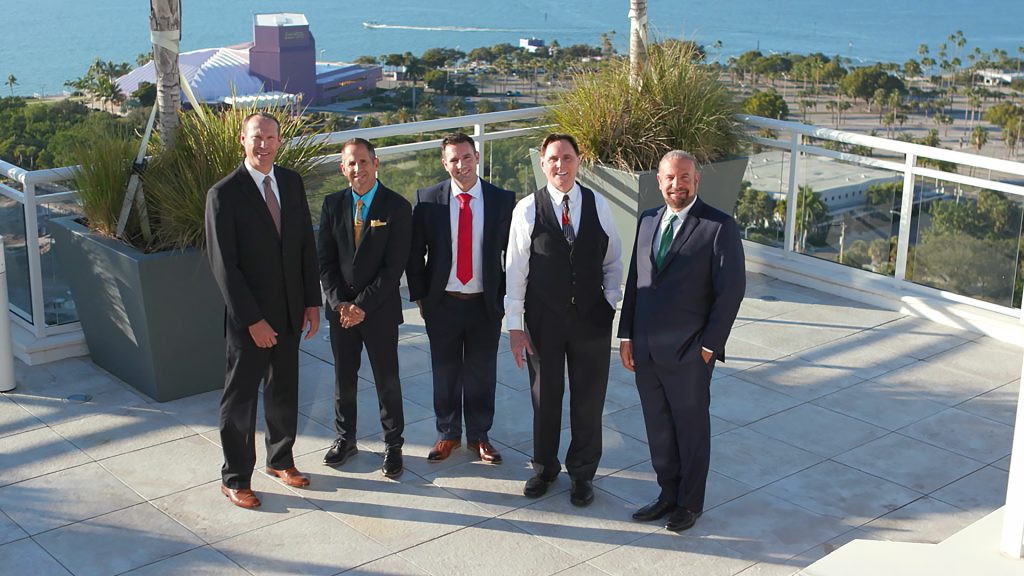
Auto Accident Lawyers
The Lawyers Of Goldman Babboni Fernandez Murphy & Walsh

Justice for Victims: How Goldman Babboni Fernandez Murphy & Walsh (Justice Pays) Can Help

A serious auto accident involving a teen driver can upend a family’s life. In the wake of a crash, victims and parents often feel overwhelmed – dealing with hospital bills, insurance adjusters, police reports, and the emotional trauma. This is where the experienced Sarasota personal injury attorneys at Goldman Babboni Fernandez Murphy & Walsh (known locally as Justice Pays) step in to provide guidance, advocacy, and hope. Our law firm has represented countless accident victims across Sarasota and Southwest Florida, including many cases involving teen drivers, and we are committed to securing justice for those injured due to negligence.

Why choose Justice Pays for a teen accident case? Here are some key ways our firm can assist you after a crash:

🕵️‍♂️ We Investigate Thoroughly
Go beyond the police report to uncover fault
Examine phone records, video footage, and black box data
Preserve evidence before it disappears
Example: We’ve used traffic camera footage to prove fault and shut down attempts to blame innocent victims — even in complex teen driver cases.

📞 We Deal With Insurance So You Don’t Have To
Handle all communications with adjusters
Push back against lowball offers or blame-shifting
Protect you or your teen from signing away rights too soon

💵 We Maximize Compensation
Work with medical and economic experts to document:
Future care needs
Lost wages or earning potential
Pain, suffering, and emotional distress
File wrongful death claims if tragedy strikes
We don’t let insurance companies undervalue injuries just because the victim is young.

👨‍👩‍⚖️ We Guide You Through Every Step
Explain your rights in plain English
Handle court approvals and fund preservation for minors
Help you access trusted medical care if needed

💚 No Fees Unless We Win
You pay nothing upfront — our fee comes from your recovery
The initial consultation is 100% free
Our team is motivated to win because your success is our success

Whether you or your child was injured by a teen driver — or your teen was hurt in a crash — our Sarasota attorneys are here to fight for justice. Because when you’re hurting, Justice Pays.

If you or your teenager has been involved in a serious accident this summer, don’t navigate the aftermath alone. The lawyers of Goldman Babboni Fernandez Murphy & Walsh are here to answer your questions and fight for your rights. Our Sarasota office (located at 2822 University Parkway, Sarasota, FL) is available 24/7, and we can also come to you if needed. Consultations are free, and we’ll give you an honest evaluation of your case and legal options.

Stay Safe, Sarasota – And Know We’re Here to Help

Summer in Sarasota is a wonderful time, full of opportunities and new experiences for our youth. By understanding the unique risks that teen drivers face during these months and taking proactive safety measures, families can greatly reduce the chance of accidents. Education, supervision, and smart choices behind the wheel save lives. We urge all Sarasota parents to talk openly with their teens about safe driving, and for teens to remember that driving comes with serious responsibility. A split-second mistake on the road can have lifelong consequences – as evidenced by the heartbreaking crashes that have occurred in our community. However, if a tragedy does strike, know that you are not alone. Florida law provides avenues for justice, and the team at Goldman Babboni Fernandez Murphy & Walsh is ready to help you pursue them.

Our firm is deeply committed to the Sarasota community and to protecting the rights of accident victims. We believe that through diligent legal work, justice truly pays – it can provide the financial support needed for recovery and hold negligent parties accountable. If your family has been affected by a teen driver accident this summer, reach out to us for caring, knowledgeable counsel. We will stand by your side and do everything in our power to secure the compensation and justice you deserve. Stay safe on the roads this summer, and remember that help is just a phone call away should you ever need it. Together, we can work to make Sarasota’s streets safer for our teens and for everyone.

The post Is Your Teen Driving This Summer in Sarasota? Know the Risks and Legal Liability appeared first on Justice Pays.
What To Expect At A Deposition For Your Sarasota Injury Case

If you’ve been seriously injured in a Sarasota auto accident and have hired an attorney to pursue your personal injury claim, one of the most important steps you’ll face is the deposition. For many clients, this part of the legal process can feel intimidating. But with the right preparation—and the right legal team by your side—you can approach it with confidence.

At Goldman Babboni Fernandez Murphy & Walsh, every client we represent works directly with a senior partner from our firm. We’ve guided thousands of Southwest Florida clients through depositions just like yours, and we’re here to make sure you’re fully prepared.

Facing a Deposition in Sarasota? Here’s What It Means—and What to Expect

A deposition is a formal interview, conducted under oath, where you’ll answer questions about your case—typically from the opposing party’s attorney. These questions are recorded by a court reporter and become part of the official case record. The setting is usually informal, like a law office conference room, but make no mistake: your answers can significantly impact how your case unfolds.

While insurance company attorneys may use depositions to try to minimize your claim, your deposition also gives you the chance to clearly explain what happened and how your life has been affected. With your attorney present, this is your opportunity to strengthen your position—especially if your testimony is clear, consistent, and truthful.

Facing a Deposition in Sarasota? Here's What It Means—and What to Expect

When Will Your Deposition Take Place?

In most Sarasota personal injury cases, depositions happen during the discovery phase, after your lawsuit is filed but before it goes to trial. While Florida law allows depositions to occur even before a lawsuit is filed, it’s far more common for them to happen a few months into the case.

Your attorney at Goldman Babboni Fernandez Murphy & Walsh will coordinate the timing with the other parties and give you ample notice so you can prepare. If you are the injured party (plaintiff), the other side only needs to give formal notice—they don’t need a court order to schedule it.

Who Will Be In the Room With You?

Expect a few key people to be present:

  • Your attorney—a full partner at our firm who knows your case inside and out
  • The opposing attorney—often representing the insurance company
  • A court reporter—who will transcribe every word
  • Possibly a videographer—especially if you may not be available for trial

In some cases, insurance representatives or other involved parties may attend as well. But no matter who is present, your attorney will be there to protect your rights and guide you through the process.

Stephen Fernandez

How Your Attorney Will Support You During the Deposition

At JusticePays.com, we don’t send clients into depositions unprepared. Your attorney will:

  • Object to improper or irrelevant questions
  • Help you practice answering questions truthfully and clearly
  • Clarify misleading or confusing questions during the deposition itself
  • Make sure your voice and your truth come through clearly

This kind of personal attention is the core of our firm’s approach—because we know that depositions are not just legal steps, but deeply personal moments in your case.

The Types of Questions You’ll Be Asked

Personal Background Information

You’ll start by confirming your basic background—name, address, work history, education, and any prior legal or medical history. These questions may feel intrusive, but they’re standard. The opposing attorney is trying to understand your life before the accident.

Details About the Accident

The heart of the deposition will focus on how your accident happened. Expect questions about:

  • The sequence of events before, during, and after the crash
  • Road and weather conditions
  • Your behavior (e.g., medications, alcohol use)
  • Witnesses who may have been present

With your Sarasota attorney at your side, you’ll be prepared to answer these questions clearly and truthfully—without giving the other side anything to twist or misinterpret.

How Your Injuries Have Affected You

You’ll be asked about your medical treatment, pain levels, emotional trauma, and how your injuries affect your work, daily life, and relationships. These answers are vital to showing the full impact of the accident on your life.

Tip: Be specific. “I can’t lift more than 10 pounds now” is more powerful than “It hurts to move.”

How To Prepare For Your Sarasota Deposition

Your Attorney Will Guide You Every Step

Our Sarasota-based team schedules one-on-one preparation sessions with every client before their deposition. We’ll:

  • Review the facts of your case
  • Practice answering likely questions
  • Conduct mock depositions so you feel calm and confident

We know the local legal landscape and the strategies insurance attorneys use—and we’ll make sure you’re ready.

Rules To Keep In Mind

  • Always tell the truth. Even uncomfortable truths are better than misleading answers.
  • Don’t guess. If you’re unsure, say “I don’t recall” or “I’m not sure.”
  • Answer only the question asked. Keep responses brief and don’t volunteer extra details.
  • Pause and think before you respond. You’re allowed to take your time.

What Happens After the Deposition?

Once your deposition ends, the court reporter will produce a transcript. You and your attorney will have a chance to review it for errors. This transcript becomes part of the official record and may be used in future negotiations or at trial.

A strong deposition may prompt the insurance company to offer a better settlement. If inconsistencies arise, we’ll know how to address them well before trial.

How Your Deposition Affects the Strategy of Your Case

Your Sarasota injury attorney will analyze everything from the deposition:

  • The tone of opposing counsel’s questions
  • Any new facts or issues that arise
  • How your testimony aligns with medical records and other evidence

This helps us adjust our legal strategy as needed and build the strongest possible case for full and fair compensation.

Why You Need a Sarasota Attorney Who Knows the System

At Goldman Babboni Fernandez Murphy & Walsh, we’ve handled thousands of injury cases across Sarasota and Southwest Florida. Our attorneys are not just legal advocates—we’re strategists, counselors, and trusted allies.

We know the tactics insurance lawyers use. We know the local rules and court procedures. And we use our combined 150+ years of experience to make sure your case is presented in the best possible light at every stage—including depositions.

Auto Accident Lawyers
The Lawyers Of Goldman Babboni Fernandez Murphy & Walsh

The Attorneys At Justice Pays Help You Move Forward With Confidence

We’ve recovered over $500 million for injury victims across Southwest Florida—and we do it by giving every client the full attention of a senior attorney who fights relentlessly for justice.

If you’ve been scheduled for a deposition in your Sarasota injury case, don’t face it alone. Let us help you prepare with confidence, protect your rights, and build a case that reflects the true impact this accident has had on your life.

Call us today or visit JusticePays.com to schedule a consultation. There’s no cost unless we win—and everything to gain by being fully prepared.

Factual Sources for Florida Deposition Information

Based on the search results provided, here are the most factual and authoritative sources for information about depositions in Florida personal injury cases:

RULE 1.310. DEPOSITIONS UPON ORAL EXAMINATION (a) When Depositions May Be Taken. After commencement of the action any party may

What Is a Deposition? – FindLaw

How to prepare your client for deposition – The Florida Bar

sc2023-1678.pdf

Errata Sheet Rules for Depositions in Florida – Expert Witnesses Training – SEAK, Inc.

Deposition Reform: Is the Cure Worse than the Problem? – The Florida Bar

SC12-2235 Appendix A

SUPREME COURT OF FLORIDA

Depositions of corporate representatives in Florida

Invoking “the Rule” During Depositions? Absolutely “Maybe” – The Florida Bar

RULE 1.310. DEPOSITIONS UPON ORAL EXAMINATION (a) When Depositions May Be Taken. [NO CHANGE] (b) Notice

The post What To Expect At A Deposition For Your Sarasota Injury Case appeared first on Justice Pays.

Sarasota Man Arrested After Hit And Run Crash Critically Injures Cyclist On Bahia Vista Tuesday

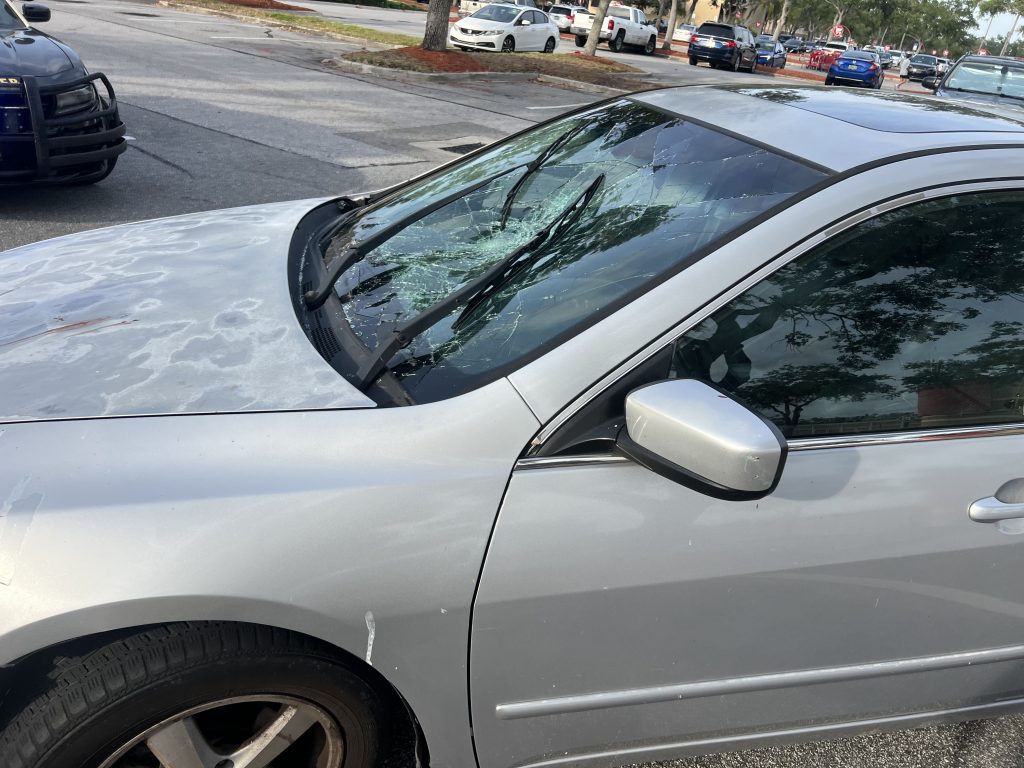
SARASOTA, FL – A 61-year-old bicyclist from Ohio was left in critical condition Wednesday afternoon after being struck by a vehicle in a marked crosswalk by a driver who ran a red light and then fled the scene, the Florida Highway Patrol reported.

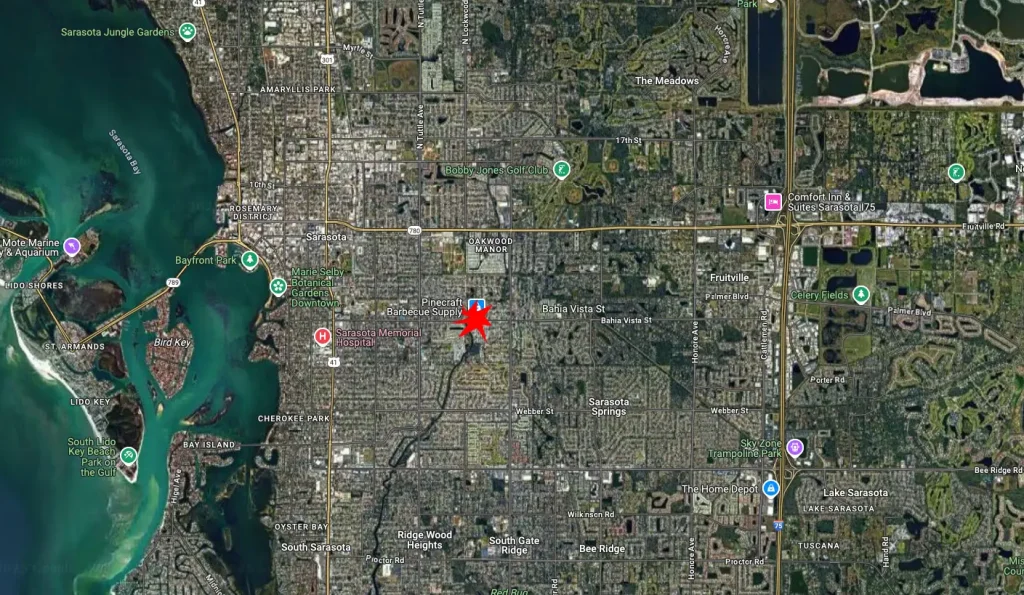
The crash occurred at approximately 4:57 PM on May 21, 2025, at the intersection of Bahia Vista Street and Kaufman Avenue.

According to FHP, a Honda Accord, driven by a 23-year-old Sarasota man, was traveling westbound on Bahia Vista Street when it failed to stop for a steady red traffic signal.

At that moment, the 61-year-old male bicyclist, who was visiting from Apple Creek, Ohio, was legally crossing the intersection on a marked crosswalk. The vehicle collided with the bicyclist, causing critical injuries. He was transported to an area hospital for emergency care.

Photos courtesy of Florida Highway Patrol

Following the crash, both the driver and a 16-year-old female passenger exited the vehicle. Moments later, the driver reentered the vehicle and fled the scene, while the passenger fled on foot. Investigators later confirmed that a part of the vehicle’s front emblem was left behind at the scene.

The driver was later located and placed under arrest. Charges include:

  • Felony Leaving the Scene of a Crash with Serious Injury
  • Reckless Driving
  • Driving Under the Influence (suspected marijuana)
  • No Valid Driver’s License

The Florida Highway Patrol continues to investigate the crash.

Sarasota Man Arrested After Hit And Run Crash Critically Injures Cyclist On Bahia Vista Tuesday

The post Sarasota Man Arrested After Hit And Run Crash Critically Injures Cyclist On Bahia Vista Tuesday appeared first on Justice Pays.
How Much Is My Auto Accident Case Worth in Sarasota?

If you’ve been injured in a car accident in Sarasota, one of the first questions on your mind is probably: What’s my case worth?

And I get it. After decades of helping people recover from serious crashes here at Goldman, Babboni, Fernandez, Murphy & Walsh, I’ve seen firsthand how overwhelming things feel right after an accident. Medical bills start piling up, work gets missed, and it’s hard to know who to trust—especially when the insurance company calls.

That’s why I always tell clients this: no two cases are exactly alike, but there are a few key things that determine how much your claim may be worth here in Sarasota or anywhere in Southwest Florida.

Let me walk you through what we look at when we evaluate the value of a car accident case—so you can better understand what to expect and how to protect your future.

What Really Determines the Value of a Sarasota Auto Accident Case?

1. How Badly Were You Hurt?
The more serious the injury, the higher the potential value of the case. That might seem obvious, but it’s important to get it documented right. We’ve helped clients with everything from whiplash and fractures to traumatic brain injuries and spinal damage. Even if your injury doesn’t seem “severe” at first, delayed symptoms like nerve damage or chronic pain can have a lasting impact—and we work to make sure that’s recognized in your claim.

2. Your Medical Bills (Now and Later)
Hospital stays, surgeries, therapy, follow-ups—it all adds up fast. We work closely with your doctors and specialists to project what care you’ll need in the future too, not just what’s already happened. That’s how we make sure your settlement doesn’t fall short six months from now.

3. Lost Wages and Earning Power
If your injury keeps you from working—temporarily or permanently—that has to be part of your claim. We often bring in financial experts to help calculate the full picture, including career changes or future limitations.

4. Your Pain and Emotional Suffering
This is one of the most overlooked parts of a case, especially by insurance adjusters. But as someone who’s talked to hundreds of injured clients, I know the anxiety, the sleepless nights, the PTSD—that’s real. And we don’t let it be ignored.

5. Damage to Your Vehicle
We’ll make sure property damage, rental car costs, and any personal property loss are accounted for—because every dollar matters when you’re trying to get your life back together.

6. Who Was At Fault (And What If They Blame You?)
Florida law allows you to recover damages even if you were partially at fault—but the amount can be reduced. Our job is to push back hard when insurers try to shift the blame. We use accident reconstruction and legal strategy to protect your side of the story.

Typical Settlement Ranges for Sarasota Auto Accident Claims

While it’s important to remember that each case is unique, here are some general guidelines based on cases we’ve handled across Sarasota and Manatee Counties:

Injury Severity Typical Settlement Range
Minor Injuries $10,000 – $50,000
Moderate Injuries $50,000 – $200,000
Severe/Catastrophic Injuries $200,000 – Multiple Millions

Note: Cases involving permanent disability or wrongful death can result in significantly higher compensation.

Averages Are Only Averages – A Skilled Attorney Can Help You Recover More After an Accident

Below are examples of real case outcomes we’ve secured for clients across Florida. Every case is different, but these results reflect the kinds of serious injuries and claims we’ve helped successfully resolve:

  • $6 Million – Motorcycle Accident: Severe brain injury. One of the top three motorcycle settlements in Florida history.
  • $4.7 Million – Auto vs. Commercial Truck: A heavy commercial vehicle crashed into stopped traffic.
  • $2 Million – Fatal Car Accident: Wrongful death case. Partial settlement before trial; jury verdict for full damages.
  • $2.2 Million – Motorcycle Crash: Fractured femur, fibula, and traumatic brain injury.
  • $1.25 Million – Serious Auto Collision: Skull fracture, closed-head injury, eye surgery, and hearing loss.
  • $1.2 Million – Wrongful Death: Jury awarded full compensation following a fatal crash.

These recoveries were the result of thorough preparation, expert testimony, and aggressive legal strategy. If you’ve been injured, it’s important to work with an attorney who knows how to build your case for the maximum compensation allowed under Florida law.

At Goldman, Babboni, Fernandez, Murphy & Walsh, we routinely secure higher settlements because we prepare every case thoroughly from day one.

How We Help You Get Every Dollar You Deserve

When you’ve been in an accident, insurance companies will do everything they can to pay out as little as possible. Our job is to make sure that doesn’t happen.

At Goldman, Babboni, Fernandez, Murphy & Walsh, we bring together decades of experience, local insight, and a reputation insurance companies know well—because we’re not afraid to take a case all the way to trial when that’s what it takes.

Here’s how our Sarasota team gives your case a real advantage:

You Pay Nothing Unless We Win
No upfront fees. No hourly billing. We don’t get paid unless you do.

We Know Sarasota Inside and Out
From downtown intersections to the I-75 corridor, we’ve handled accident claims on just about every road in this county. We know the judges, the adjusters, and what it takes to win here.

Our Results Speak for Themselves
Our firm has recovered over $500 million for injured clients across Florida—including major verdicts and settlements right here in Sarasota.

You’ll Work Directly With Your Lawyer
No call centers, no hand-offs. When you hire us, your case is handled by a senior partner from day one—and you’ll always know who to call if you have questions.

What You Can Do Right Now to Protect Your Case

I’ve seen too many people unintentionally hurt their case just by not knowing what to do after a crash. So let me be clear about the steps you should take:

  • Get medical care immediately, even if you feel okay. Some injuries take hours or days to fully show up—and early treatment helps both your recovery and your case.
  • Take photos of the scene, vehicle damage, and any visible injuries.
  • Stick to your doctor’s treatment plan and keep every appointment.
  • Don’t talk to the insurance adjuster until we’ve had a chance to review your situation.
  • Call an experienced Sarasota car accident attorney as soon as possible—ideally before you sign or say anything.

Ready to Make Sure You’re Not Short-Changed After a Crash?

Auto Accident Lawyers
The Lawyers Of Goldman Babboni Fernandez Murphy & Walsh

If you’ve been injured in a Sarasota car accident, you probably have questions—about your medical bills, your rights, and what comes next. We’re here to give you real answers, real help, and a real path forward.

At Goldman, Babboni, Fernandez, Murphy & Walsh, every case is handled by a senior attorney with deep local experience and a proven track record. And you don’t pay anything unless we win.

Call (941) 954-1234 today for your free consultation—or just reach out and tell us what happened. We’re ready when you are.

The post How Much Is My Auto Accident Case Worth in Sarasota? appeared first on Justice Pays.

What Insurance Won’t Cover After a Car Accident in Sarasota or Bradenton

When you’re driving down Manatee Avenue or waiting at the light where 14th Street West meets Cortez Road, the last thing you expect is for your life to be disrupted by a sudden collision. One moment you’re going about your day, and the next, you’re dealing with injuries, a damaged vehicle, and mounting uncertainty. For most people, the natural assumption is that their auto insurance will cover everything. Unfortunately, that’s rarely the case. Over the years, our team has worked with countless residents in Bradenton and Sarasota who were blindsided by the unexpected and uncovered costs that come after an accident. These hidden expenses often cause more stress than the accident itself—and recovering from them requires more than just a claim number. It requires legal guidance, advocacy, and a team that knows what to fight for.

Let’s take a closer look at the types of out-of-pocket burdens that accident victims often face and how a knowledgeable local auto accident attorney can help you recover the compensation you truly deserve.

Medical Bills That Outpace Florida’s No-Fault Insurance

Florida drivers are required to carry Personal Injury Protection (PIP) insurance, which is designed to cover basic medical costs after an accident. While it sounds like a safety net, many injured drivers quickly find that it falls short. PIP covers 80% of medical bills, up to $10,000, and only if your injuries qualify as an “emergency medical condition.” That may sound like a decent buffer—but when you factor in the cost of an ambulance, ER visits, diagnostic scans, and follow-up treatment, that cap can be reached in a matter of hours. For those injured in crashes along Cortez Road, State Road 64, or US-301, especially in high-speed or multi-vehicle collisions, medical expenses can easily double or triple that amount.

What’s more, serious injuries often require ongoing care, such as surgery, physical therapy, and medications. Some victims may even need long-term support, including in-home nursing, mobility aids, or home modifications. In these cases, insurance often stops paying long before recovery is complete. Our firm helps clients tap into additional sources of compensation—including at-fault driver policies, underinsured or uninsured motorist coverage, and product liability claims—so that no medical need goes unmet.

Lost Wages and the Long-Term Impact on Income

Another overlooked consequence of car accidents is the financial strain that comes from lost time at work. Whether you’re in hospitality, healthcare, construction, or any other local industry, being sidelined from your job means your income takes a hit—sometimes a big one. We’ve represented many clients injured at intersections like 14th Street West and 26th Avenue who were unable to work for weeks or months while recovering. And while PIP may reimburse a portion of your wages, it rarely reflects the true extent of your lost income.

Worse still, some injuries cause permanent limitations. You may be able to return to work—but not at the same capacity. Chronic pain, limited mobility, or lingering cognitive issues can result in diminished earning capacity, which means earning less over time, even after you return. These long-term losses are rarely calculated fairly by insurance companies. At Justice Pays, we work closely with economic and medical experts to accurately quantify those future financial losses and build a case that accounts for every penny.

Rehabilitation and Long-term Recovery Cost Beyond the Hospital

Easy Exercises to Improve Posture at Home

Once the emergency room visit is behind you, the real recovery begins. Many accident victims in Sarasota and Bradenton find themselves regularly traveling down Manatee Avenue or Tamiami Trail for physical therapy, chiropractic care, or counseling. These therapies are crucial—not only for physical recovery but for regaining quality of life. However, insurance often caps the number of covered sessions or refuses to pay for alternative or holistic care methods like massage therapy, acupuncture, or mental health support.

For many of our clients, a full rehabilitation plan includes a combination of:

  • Physical therapy for mobility and strength
  • Occupational therapy to relearn daily activities
  • Chiropractic adjustments for pain and alignment
  • Massage therapy to reduce muscle tension and improve circulation
  • Counseling to process trauma and anxiety

Despite their proven value, many of these services are only partially covered or not covered at all. That’s why we meticulously document each treatment and its necessity. We know how to present this evidence to insurers—and juries—to demand reimbursement for every element of your recovery.

Property Damage – More Than Just a Repair Bill, Market Value and Diminished Value

When your vehicle is damaged in a collision—whether from a rear-end crash on Cortez Road or a serious pileup on I-75—you expect your insurance to take care of repairs. In many cases, they do. But even this coverage has limits that most policyholders don’t anticipate. For example, insurers typically only reimburse the market value of your vehicle, not the replacement cost or the value of aftermarket upgrades.

You may also run into uncovered expenses, such as:

  • Diminished value, which means your car is now worth less due to its accident history—even after repairs
  • Costs for OEM (original equipment manufacturer) parts, if your policy only covers generic replacements

When these gaps appear, our attorneys step in to challenge undervalued damage assessments, negotiate directly with adjusters, and make sure your transportation needs are met without you having to dip into your own wallet.

The Time and Emotional Toll of Recovery

It’s important to recognize that accident recovery isn’t just about physical injuries or financial losses—it’s also about mental and emotional well-being. After a traumatic crash on Fruitville Road, Bee Ridge, or Lakewood Ranch Boulevard, it’s common for victims to experience lasting anxiety, nightmares, irritability, or even post-traumatic stress disorder (PTSD). These symptoms can be just as debilitating as physical pain and often interfere with daily life, relationships, and work.

Unfortunately, most insurance policies don’t acknowledge the emotional toll of an accident unless it’s specifically proven with medical documentation. At Justice Pays, we help our clients connect with mental health providers, gather the evidence needed to show emotional distress, and pursue compensation for non-economic damages, such as:

  • Pain and suffering
  • Emotional anguish
  • Loss of enjoyment of life
  • Loss of companionship or support

We know how important it is to give clients the time and space they need to heal, without being pressured to return to work too soon or settle too quickly. You deserve the chance to fully recover—mentally and physically—without sacrificing financial security.

Why Working with Justice Pays Makes All the Difference

Auto Accident Lawyers
The Lawyers Of Goldman Babboni Fernandez Murphy & Walsh

What sets us apart is not only our deep experience in Florida personal injury law, but also our local insight. We understand the unique traffic patterns, the accident hotspots, the local medical providers, and how Sarasota and Bradenton residents are affected by serious crashes. We don’t just build cases—we build strategies rooted in local knowledge and personal commitment.

Our attorneys handle every aspect of your claim, including:

  • Collecting and preserving evidence
  • Dealing with insurance companies
  • Coordinating medical and therapy documentation
  • Calculating both current and future damages
  • Representing you in negotiations—or in court

And we do it all on a contingency fee basis, which means you don’t pay anything unless we win your case.

Don’t Let Hidden Costs Derail Your Future

From the outside, a car accident may look like a minor disruption. But once you’re in it, the unseen costs start to reveal themselves—medical bills that outlast your policy, income that disappears without a safety net, emotional wounds that take far longer to heal than broken bones. These are the real costs, and they add up quickly.

At Justice Pays – Goldman, Babboni, Fernandez, Murphy & Walsh, we fight to ensure that our Sarasota and Bradenton clients never have to shoulder these burdens alone. If you’ve been injured in a crash, don’t rely on the insurance company to look out for your best interest. Let us do that for you.

Call our Bradenton or Sarasota office today at (941) 954-1234

Your recovery is our priority—and your justice is our mission.

The post What Insurance Won’t Cover After a Car Accident in Sarasota or Bradenton appeared first on Justice Pays.
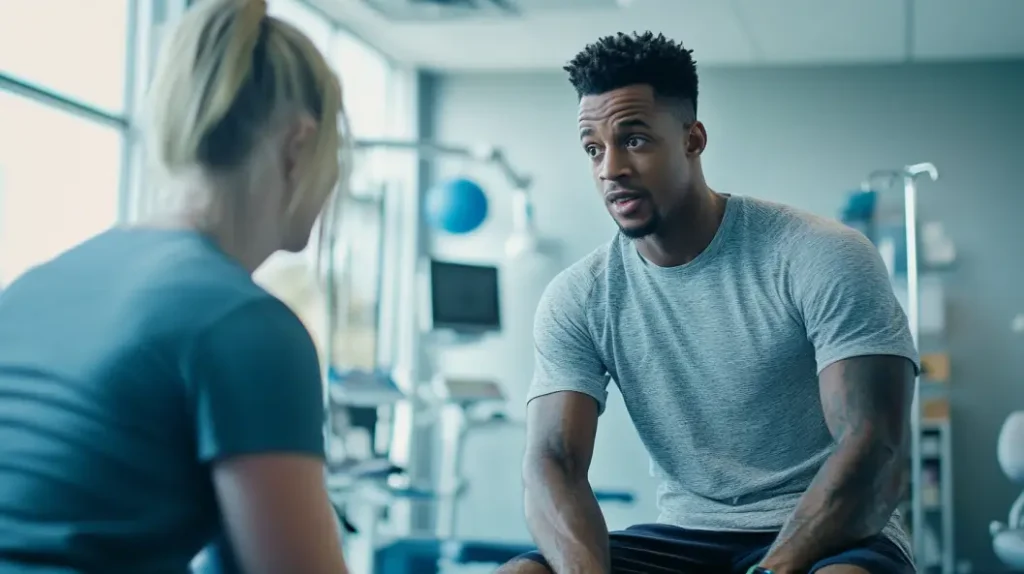
Should You Go to the ER or Urgent Care After a Car Accident in Sarasota or Bradenton?

After a car accident in Sarasota or Bradenton, your health should be your first priority. While injuries may not always be immediately apparent, seeking the appropriate medical care can protect both your well-being and your legal rights. The decision between visiting an emergency room (ER) or an urgent care center often depends on the severity of your injuries. Understanding the differences between these facilities and the role of medical documentation in personal injury claims is critical. At Goldman, Babboni, Fernandez, Murphy & Walsh, we’ve represented countless accident victims across Southwest Florida, and we know that timely and appropriate medical care can make all the difference.

While we want you to be familiar with the differences between emergency rooms and urgent care centers, this article is not a substitute for professional medical advice. Always seek prompt evaluation from a qualified healthcare provider when making any medical decisions.

What’s the Difference Between Emergency Rooms and Urgent Care Centers?

Emergency Rooms (ERs)

Emergency rooms are fully equipped to handle the most serious and life-threatening injuries. In Sarasota and Bradenton, facilities such as Sarasota Memorial Hospital, Manatee Memorial Hospital, and Doctors Hospital of Sarasota have trauma centers staffed with emergency physicians, trauma surgeons, neurologists, and radiology technicians ready to diagnose and treat severe conditions 24/7.

When Emergency Room Care May Be More Appropriate:

  • Head trauma or loss of consciousness
  • Chest pain, difficulty breathing, or irregular heartbeat
  • Heavy bleeding or deep lacerations
  • Compound fractures or broken bones
  • Seizures or symptoms of a stroke
  • Severe abdominal pain

ERs have access to advanced diagnostic equipment like CT scanners and MRI machines, which are often needed to assess internal injuries or serious neurological trauma following a collision.

Urgent Care Centers

For less severe injuries, urgent care clinics in Sarasota and Bradenton offer a practical and cost-effective alternative to the ER. Centers such as Sarasota Urgent Care, Bradenton East Integrative Urgent Care, and MD Now Urgent Care provide extended hours, shorter wait times, and walk-in availability for patients with minor to moderate injuries.

Examples of Injuries Often Treated at Urgent Care Centers:

  • Mild to moderate whiplash
  • Soft tissue injuries, sprains, or strains
  • Small cuts or abrasions
  • Minor burns or swelling
  • Mild back pain or soreness
  • Non-life-threatening headaches or dizziness

Although urgent care centers lack the comprehensive diagnostic tools of a hospital ER, they are capable of X-rays, wound treatment, basic lab work, and splinting minor fractures. Many are also open on weekends and evenings, offering convenient access to care.

What If You Feel Okay After the Crash? Here’s What to Know

Even if you feel fine immediately after an accident, it’s important to remember that adrenaline can mask pain. Symptoms of traumatic brain injury, internal bleeding, or soft tissue damage may not appear until hours or days later. This is why it’s crucial to get evaluated as soon as possible by a medical professional.

At Goldman, Babboni, Fernandez, Murphy & Walsh, we’ve handled many cases in which accident victims delayed treatment and suffered not only medically, but legally. Without prompt documentation, insurers may argue that your injuries are unrelated to the accident or exaggerated in severity.

How Your Medical Care Choices Can Affect a Personal Injury Claim in Florida

Why You Need to Get Medical Care Within 14 Days of a Florida Car Accident

Under Florida’s Personal Injury Protection (PIP) laws, you must seek medical treatment within 14 days of your car accident in order to access up to $10,000 in PIP coverage. This is true regardless of who was at fault. Failing to get checked out within this timeframe can disqualify you from receiving essential compensation for medical expenses and lost wages.

Both ER visits and urgent care treatment count toward satisfying the 14-day rule—as long as the care is provided by a qualified medical professional such as a physician, osteopathic doctor, dentist, hospital, or licensed emergency medical technician.

The Importance of Medical Records for Your Claim

Medical documentation serves as a cornerstone in personal injury claims. Insurers and defense attorneys will closely examine:

  • ER or urgent care intake forms
  • Diagnostic imaging results
  • Treatment recommendations
  • Medication prescriptions
  • Follow-up care and referrals

These records help establish the direct link between the accident and your injuries—something our legal team uses to demand full compensation for your medical bills, pain and suffering, lost wages, and more.

ER or Urgent Care? What to Think About Before You Go

ER or Urgent Care? What to Think About Before You Go

The decision between ER and urgent care depends on the severity of your symptoms, your medical history, and the logistics of receiving care quickly. If you’re unsure whether your injuries are serious enough for the ER, err on the side of caution—especially if your symptoms involve neurological, respiratory, or cardiovascular systems. For more minor or moderate discomfort, urgent care can provide efficient evaluation and help fulfill legal treatment deadlines.

In Sarasota and Bradenton, you’re fortunate to have access to both high-level trauma centers and a wide network of urgent care facilities. The team at Goldman, Babboni, Fernandez, Murphy & Walsh recommends choosing the option that gets you seen quickly—because your health and your case depend on it.

Auto Accident Lawyers
The Lawyers Of Goldman Babboni Fernandez Murphy & Walsh

Regardless of whether you go to the emergency room or an urgent care clinic, the key is to act quickly. Seeking treatment right away not only protects your long-term health, but it also supports the strength of your personal injury claim.

Once you’ve received medical care, contact a knowledgeable local attorney to discuss your next steps. At Goldman, Babboni, Fernandez, Murphy & Walsh, we’ve been serving Sarasota and Bradenton for decades. Our team will help you navigate the legal complexities of post-accident claims, ensuring that your rights are protected and that you receive the full compensation you deserve.

📞 Call us today at (941) 954-1234 for a free consultation and let us help you move forward with confidence after a car accident.

More about Emergency Rooms VS Urgent Care Centers

Florida Department of Highway Safety and Motor Vehicles (FLHSMV) – PIP Requirements:https://www.flhsmv.gov/insurance/

Florida Statutes – Personal Injury Protection 627.736:https://www.flsenate.gov/Laws/Statutes/2022/627.736

Sarasota Memorial Hospital Emergency Services:https://www.smh.com/Home/Services/Emergency-Room

MD Now Urgent Care – Locations and Services:https://www.mymdnow.com/

Mayo Clinic – When to go to Urgent Care vs. Emergency Room:https://www.mayoclinic.org/healthy-lifestyle/consumer-health/in-depth/emergency-room/art-20046357

The post Should You Go to the ER or Urgent Care After a Car Accident in Sarasota or Bradenton? appeared first on Justice Pays.
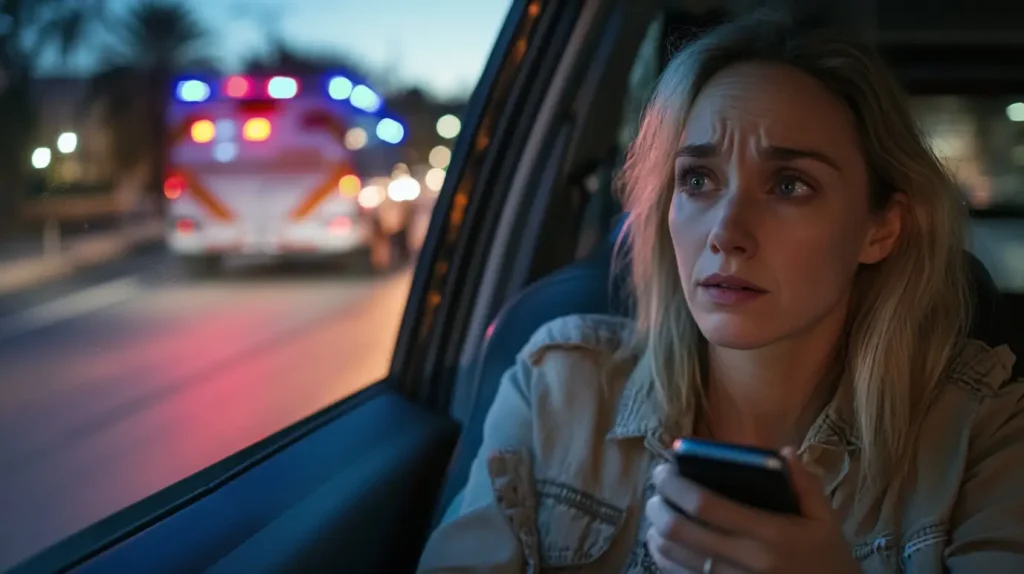
Injured By A Drowsy Driver In Sarasota? Know Your Rights

By Top Attorneys at Goldman, Babboni, Fernandez, Murphy & Walsh

When a tired driver gets behind the wheel, the outcome can be devastating—and we see the effects of this far too often in our practice right here in Sarasota. Drowsy driving isn’t just risky—it’s deadly. At Goldman, Babboni, Fernandez, Murphy & Walsh, we’ve helped countless victims recover after being injured by someone too fatigued to operate a vehicle safely. If this happened to you or someone you love, you’re not alone, and you have legal options.

The Reality of Drowsy Driving in Sarasota

Every year, drowsy driving causes thousands of crashes across the U.S., and the numbers are startling:

  • 91,000 police-reported crashes
  • 50,000 injuries
  • 800 lives lost annually
  • $109 billion in estimated economic impact

And here’s the kicker—many more crashes likely go unreported as drowsy driving. The effects of fatigue on your ability to drive are nearly identical to driving drunk. After 20 hours awake, your reflexes and judgment mirror someone with a blood alcohol content of 0.08%.

Why Drowsy Driving Is So Dangerous—Especially in Sarasota

In Sarasota, we see a perfect storm of conditions that contribute to fatigue behind the wheel:

  • Busy roads like I-75 and US-41 flood with traffic during tourist season
  • Shift workers in healthcare, hospitality, and trucking often drive long hours
  • Students and parents operate on little sleep
  • Medical conditions like sleep apnea go untreated

Even our subtropical climate can intensify drowsiness. That warm afternoon sun can make staying awake in the car much harder than it seems.

Under Florida law, drowsy driving can be considered negligent or even reckless behavior. If that fatigue leads to an accident, the driver may be held both criminally and civilly liable.

High-Risk Times & Red Flags for Drowsy Driving

Based on our experience and national data, the riskiest times for fatigue-related accidents include:

  • Midnight to 6 a.m. – when your body craves sleep the most
  • Late afternoon hours – especially after lunch, when energy naturally dips

Accidents caused by fatigue often show telltale signs:

  • No skid marks (the driver never braked)
  • Single-car crashes drifting off the road
  • High-speed impacts with no evasive action

Warning Signs of Driver Fatigue

Here are the red flags to watch for—both in yourself and other drivers:

  • Frequent yawning or blinking
  • Difficulty focusing or keeping your eyes open
  • Drifting between lanes
  • Missing signs, turns, or exits
  • Feeling restless, irritable, or zoning out

If you see these signs while driving, it’s time to pull over. A 15-20 minute power nap or swapping drivers can save lives.

Drowsy Driving and Teen Drivers: A Dangerous Mix

Young drivers aged 16-24 are especially vulnerable to drowsy driving accidents. In Sarasota, early school start times, late nights, and inexperience recognizing fatigue all play a role. Statistics show that teens are 80% more likely to be involved in a fatigue-related crash compared to older drivers.

How to Prevent a Drowsy Driving Accident

There’s no substitute for good sleep. But here are a few key tips before you hit the road:

  • Get 7-8 hours of sleep before a long trip
  • Avoid overnight driving or driving during your usual sleep times
  • Take breaks every 2 hours or 100 miles
  • Bring a co-driver to split driving duties
  • Stay hydrated, eat light, and avoid heavy meals
  • Listen to engaging audio, keep the car cool and well-ventilated

If you’re noticing signs of fatigue, don’t push through it. Pull over safely—your life is worth the delay.

As personal injury attorneys with decades of experience in Sarasota, we know how to prove a drowsy driver was responsible for your accident. These cases often require:

1. In-Depth Evidence Gathering

  • Police reports indicating fatigue or falling asleep at the wheel
  • Work schedules that prove the driver was overworked
  • Medical documentation
  • Cell phone and vehicle data

2. Establishing Liability

Our legal team works with expert accident reconstruction specialists to show how driver fatigue caused the crash. We analyze skid marks, speed, impact angles, and more.

3. Securing Compensation

You may be entitled to compensation for:

  • Medical bills and rehab
  • Lost wages or diminished future earnings
  • Pain and suffering
  • Property damage

Depending on the severity of the accident, the fatigued driver could also face criminal charges, including reckless driving or even vehicular manslaughter.

Don’t Wait to Act

If you or someone you love has been injured in a crash with a drowsy driver in Sarasota, you need to speak with an experienced auto accident attorney—right away. The sooner we can investigate and preserve evidence, the better your chances of full compensation.

Contact Our Sarasota Auto Accident Lawyers Today

At Goldman, Babboni, Fernandez, Murphy & Walsh, we’re not just here to file paperwork—we’re here to fight for you. Our team uses cutting-edge legal tools, deep local knowledge, and a relentless commitment to justice to hold negligent drivers accountable.

We know the roads, the courts, and the insurance companies in Sarasota. More importantly, we know how to win.

If a fatigued driver hurt you, we’re ready to help. Contact us today for a free consultation and let us stand by your side every step of the way.

The post Injured By A Drowsy Driver In Sarasota? Know Your Rights appeared first on Justice Pays.

Why Delaying Medical Treatment After a Multi-Vehicle Accident in Sarasota Can Cost You

If you’ve ever driven through Sarasota during rush hour, you’ve probably experienced the tight merges on Fruitville Road, the unpredictable lane changes on I-75, or the high-volume intersections along US-41. These roads are more than just busy—they’re prime spots for multi-vehicle accidents, especially during tourist season or summer storms.

When a pile-up happens, your first instinct might be to assess your car, check on others, and try to move forward. You might even say to yourself, “I’m just a little shaken up—I’ll see a doctor if the pain gets worse.”

But here’s the truth: delaying medical treatment after a crash—especially a multi-vehicle collision—can cost you more than you realize.

It could cost you your health.
It could cost you your peace of mind.
And it could cost you the compensation you’re legally entitled to.

The Hidden Danger of Feeling “Fine” After a Crash

The Hidden Danger of Feeling “Fine” After a Crash

After a traumatic event like a multi-car pile-up, your body floods with adrenaline. That chemical response is nature’s way of keeping you alert and protecting you from immediate pain—but it can also cover

serious injuries. In our experience at Goldman, Babboni, Fernandez, Murphy & Walsh, we’ve seen far too many Sarasota clients say, “I felt okay at the scene,” only to be in a doctor’s office three days later in excruciating pain.

Common injuries that often have delayed symptoms include:

  • Whiplash (typically shows up 24–72 hours later)
  • Concussions or traumatic brain injuries (can present as nausea, headaches, or confusion days after)
  • Internal bleeding or organ damage (life-threatening if untreated)
  • Herniated discs or nerve compression
  • Soft tissue damage and inflammation

A study in The Journal of the American Medical Association (JAMA) confirms what we’ve witnessed firsthand: early medical intervention leads to better recovery outcomes and stronger injury documentation. Waiting too long allows minor injuries to escalate—and allows insurance companies to argue that your pain isn’t connected to the crash at all.

Why Medical Delays Hurt Your Injury Claim

Aside from the health risks, waiting to seek medical treatment can seriously harm your legal case. Florida law allows injury victims to pursue compensation for medical expenses, lost wages, and pain and suffering—but to do that, your injuries must be clearly documented and directly tied to the accident.

When you delay treatment, insurers may claim:

  • You weren’t hurt badly enough to need a doctor
  • Something else (like work or a hobby) caused your injury
  • You’re exaggerating or fabricating symptoms

This tactic is incredibly common in multi-vehicle crashes, especially in Sarasota hot zones like Bee Ridge Road, Clark & Beneva, or University Parkway near the UTC Mall. With multiple drivers, multiple insurers, and competing narratives, the insurance companies are just looking for a reason to reduce or deny your claim.

Your medical records serve as a timeline of your pain, and any gaps in care can become holes in your case.

Real Case Example: The Cost of Waiting

One of our recent Sarasota clients was rear-ended on I-75 near Fruitville Road during morning traffic. She initially declined medical treatment, assuming she had just a sore neck. Within 48 hours, her symptoms escalated—numbness in her arms, headaches, and difficulty walking. The diagnosis? A herniated disc and post-concussive syndrome.

Because she hadn’t gone to the ER or urgent care immediately, the insurance company tried to argue her injuries weren’t related to the crash.

Our legal team acted fast, gathering testimony from her doctors, reconstructing the accident timeline, and demonstrating that her decision to wait was based on adrenaline, not dishonesty. We ultimately secured a substantial settlement—but it was far more complicated than it had to be.

Where Multi-Vehicle Crashes Happen Most in Sarasota—and Why Timing Matters

Where Multi-Vehicle Crashes Happen Most in Sarasota

You’re especially at risk for a delayed diagnosis if the accident occurred at one of Sarasota’s high-traffic zones:

I-75 & Fruitville Road – high-speed merging and sudden slowdowns

US-41 & Bee Ridge Road – frequent rear-end chain reactions

Clark Road & Beneva Road – rapid light changes and distracted driving

University Parkway near UTC – high congestion and unpredictable lane shifts

These are chaotic crash zones where first responders may be delayed and where your own disorientation may keep you from recognizing the seriousness of your injuries.

The Complications of Untreated Injuries: Why Delaying Medical Care Can Change Your Life

When you’re involved in a multi-vehicle accident—especially on Sarasota’s busiest roads like I-75, US-41, or Fruitville Road—your first reaction is often to check for visible damage and make sure everyone is okay. But beneath the surface, unseen injuries may already be taking hold, and delaying medical treatment can allow those injuries to worsen, leading to serious, long-term complications that don’t just impact your health—they affect your future.

At Goldman, Babboni, Fernandez, Murphy & Walsh, we’ve seen firsthand how “minor” aches and pains can evolve into debilitating conditions when not addressed early. Many clients come to us after waiting days or even weeks to see a doctor—by then, what could have been a manageable injury has become a chronic medical issue that affects their ability to work, care for their families, or even get a good night’s sleep.

Let’s take a closer look at the specific, medically-documented complications that can arise when you don’t get immediate treatment after a crash.

1. Chronic Pain and Musculoskeletal Conditions

Even low-speed impacts in a multi-car collision can place enormous stress on muscles, tendons, and joints. When injuries like whiplash or strained ligaments aren’t treated promptly with physical therapy, rest, or imaging-based evaluation, they can evolve into chronic pain syndromes.

According to a study published in the journal Pain Research and Management, more than 30% of patients who develop chronic neck pain following a motor vehicle collision had no initial signs of serious injury at the scene. Chronic pain can linger for months or even years and is often accompanied by:

  • Limited range of motion
  • Pain flare-ups triggered by weather or activity
  • Sleep disturbances
  • Depression due to quality-of-life decline

Once pain becomes chronic, it’s harder—and more expensive—to treat. It also complicates your legal claim, since insurance companies often argue that long-term pain isn’t directly tied to the original accident if you didn’t seek care immediately.

2. Nerve Damage and Neuropathy

Multi-vehicle crashes, especially rear-end and side-impact collisions, can compress or stretch nerves in the neck, back, or extremities. Injuries to the brachial plexus, sciatic nerve, or spinal nerve roots can cause radiating pain, numbness, or muscle weakness. If left untreated, nerve damage can become permanent.

Common signs of post-accident nerve injury include:

  • Tingling in hands or feet
  • Burning sensations
  • Loss of grip strength or motor control
  • Pain that shoots down arms or legs

Studies published by the National Institutes of Health (NIH) have shown that early nerve injury treatment—including diagnostic testing like EMG (electromyography), physical therapy, and anti-inflammatory medication—can improve long-term outcomes. Waiting too long, however, can result in irreversible damage and the need for surgical intervention.

3. Reduced Mobility and Physical Function Decline

The longer you wait to address an injury—especially spinal or joint-related injuries—the more likely you are to experience a compensatory movement pattern, meaning your body adapts in ways that worsen your overall posture and function. For example:

  • A herniated disc left untreated may lead to a permanent spinal alignment shift.
  • Limping due to knee or hip pain may strain your back or cause damage in your “good” leg.
  • Untreated fractures or ligament tears may heal improperly, resulting in long-term instability or arthritis.

Reduced mobility doesn’t just impact your physical freedom—it can lead to loss of income, inability to care for your children or loved ones, and an increased reliance on others for daily tasks. This can and should be accounted for in your injury claim, but only if you’ve properly documented and treated the injury from the beginning.

4. Psychological Trauma: PTSD, Anxiety, and Depression

While physical injuries are often the first focus after a crash, the emotional toll of a traumatic accident can be just as significant. In multi-vehicle collisions—where victims often experience multiple violent impacts, broken glass, loud noises, and panic—Post-Traumatic Stress Disorder (PTSD) and anxiety-related disorders are common, even when no visible wounds are present.

According to the American Psychological Association, approximately 39% of motor vehicle crash survivors develop PTSD, especially when the crash involved perceived life threat, serious injury, or multiple collisions. Untreated PTSD can result in:

  • Flashbacks, nightmares, and sleep problems
  • Difficulty concentrating
  • Panic attacks, particularly while driving or near traffic
  • Irritability, anger, and mood swings
  • Social withdrawal and relationship problems

Additionally, the loss of independence from physical injuries—such as being unable to drive, return to work, or care for family—can lead to depression and long-term emotional instability.

These psychological conditions are absolutely compensable in a personal injury claim—but they must be diagnosed and documented through a mental health professional. The sooner this happens, the easier it is to prove the connection between your emotional state and the crash itself.

Perhaps one of the most underappreciated complications of untreated injuries is the financial ripple effect they create. If you don’t get medical treatment right away:

  • You might miss the 14-day window required under Florida’s PIP (Personal Injury Protection) coverage to qualify for medical benefits.
  • Your claim could be denied or significantly reduced because the insurer argues there’s no “proof” the accident caused your condition.
  • You might pay out-of-pocket for treatment that could have been covered by your settlement.
  • Your delayed treatment might lead to job loss, increased medical costs, or lost future earnings, all of which could have been accounted for in your case had your care been timely.

Why Immediate Care Is So Critical

The complications of untreated injuries go beyond health—they affect every aspect of your life: from your relationships and career to your emotional well-being and financial future. That’s why we always urge accident victims in Sarasota to get checked out as soon as possible—even if they feel okay.

At Goldman, Babboni, Fernandez, Murphy & Walsh, we work closely with a network of respected local medical providers—including orthopedic specialists, neurologists, physical therapists, and trauma counselors—who understand how to properly evaluate crash-related injuries. We make sure everything is documented accurately, so your legal claim reflects the full scope of what you’re dealing with—now and in the future.

Don’t let untreated injuries define your recovery.
Don’t let a delay cost you your health or your financial future.

If you’ve been in a multi-vehicle crash in Sarasota, get the help you need now—then let us handle the fight for your compensation.

Protect Your Health and Your Claim: What to Do Immediately

If you’ve been in a multi-car accident—whether you were on Siesta Drive, Tamiami Trail, or heading home on Proctor Road—here’s what you need to do:

Seek immediate medical attention, even if you feel “fine”
Tell the provider you were in a crash so it’s documented clearly
Follow up with specialists if you’re referred (neurologist, orthopedic, etc.)
Keep all records and receipts
Call an experienced Sarasota personal injury attorney

At Goldman, Babboni, Fernandez, Murphy & Walsh, we coordinate with trusted local physicians and chiropractors, ensuring you get care fast—and that every diagnosis is clearly tied to your accident. This creates the strongest possible legal case.

Don’t Wait. Your Future Depends on It

Auto Accident Lawyers
The Lawyers Of Goldman Babboni Fernandez Murphy & Walsh

In the confusing, chaotic hours after a pile-up, it’s easy to put your own care on the back burner. But delaying treatment is one of the most damaging things you can do—both for your recovery and your right to compensation.

You don’t have to guess what comes next. You don’t have to handle medical bills or insurance phone calls alone. Our team is here to take the weight off your shoulders and fight for what you need to move forward.

Contact Goldman, Babboni, Fernandez, Murphy & Walsh today for a free consultation with a Sarasota accident attorney who will listen to your story, prioritize your care, and build a case that truly reflects the impact of what you’ve been through.

Your health can’t wait. Neither should your claim.

References

  • University of North Carolina Health Care. “Chronic neck pain common among car crash victims, but most don’t sue.” ScienceDaily. January 17, 2014. Link
  • National Institute of Neurological Disorders and Stroke. “Peripheral Neuropathy.” Link
  • Verywell Mind. “The Risk of PTSD After a Car Accident.” Link
  • SpringerLink. “The association between a lifetime history of a neck injury in a motor vehicle collision and the development of troublesome neck pain.” Link
  • Advanced Spine and Pain. “How to Interpret EMG Test Results.” Link
  • ScienceDirect. “Who develops PTSD from motor vehicle accidents?” Link
  • The Journal of Rheumatology. “Onset of Neck Pain After a Motor Vehicle Accident: A Case-Control Study.” Link
  • ScienceDirect. “Psychological consequences of motor vehicle accidents: A systematic review.” Link
  • Injury Journal. “A systematic review of predictors of posttraumatic stress disorder (PTSD) for adult road traffic crash survivors.” Link
  • Medical Clinics of NYC. “How To Deal with Chronic Pain After a Car Accident: A Neurologist’s Perspective.”

Why Delaying Medical Care After a Multi-Vehicle Crash in Sarasota Can Cost You Everything

Feeling “fine” after a Sarasota pile-up? Think again. Delaying treatment after a multi-vehicle collision can lead to long-term health complications—and make it harder to win the compensation you deserve. Learn why timing is everything after a crash.
Contact a top Sarasota auto accident lawyer at Justce Pays. Contct Goldman, Babboni, Fernandez, Murphy & Walsh today.

  • Adrenaline can mask serious injuries like whiplash, nerve damage, or concussions.
  • Florida law requires treatment within 14 days to qualify for PIP benefits.
  • Insurance companies use delays to deny or reduce compensation.
  • Untreated injuries can evolve into chronic pain, limited mobility, or psychological trauma.
  • Legal and financial consequences of waiting can be long-lasting.

Get A More In-Depth Answer:

After a chaotic crash on Sarasota’s busiest roads—Fruitville Road, I-75, or US-41—it’s easy to focus on your car or check if others are okay. But many serious injuries don’t show up right away. That’s because your body floods with adrenaline, temporarily numbing pain and giving you a false sense of wellness.

What happens next could change everything.

At Goldman, Babboni, Fernandez, Murphy & Walsh, we’ve seen what happens when accident victims delay care. Whiplash turns into chronic pain. Numbness becomes nerve damage. And all the while, insurance companies build a case against you, saying your injuries must not be “that bad” if you didn’t go to the doctor right away.

Multi-vehicle accidents often involve multiple stories, multiple insurers, and a lot of finger-pointing. If you don’t act fast to protect your health, you could lose your ability to recover compensation. Your medical records are your strongest ally—but only if they exist.

Whether you were caught in a pile-up on University Parkway or rear-ended on Bee Ridge Road, don’t wait to get help. Early medical attention creates a paper trail. That trail leads directly to justice.

FAQ:

Q: Why do symptoms show up days after a crash?
A: Adrenaline and shock can mask pain for hours or even days. Injuries like whiplash, concussions, or internal trauma often surface later—and if you haven’t been evaluated, that delay can be used against you.

Q: What if I already waited a few days—can I still file a claim?
A: Yes, but it becomes more complex. Contact a Sarasota personal injury attorney immediately to begin documenting your condition and building a timeline that connects your injuries to the crash.

Q: Does Florida law have a deadline for treatment?
A: Yes. Florida’s PIP (Personal Injury Protection) law requires treatment within 14 days of the accident to qualify for coverage. Don’t miss that window.

Q: What kind of injuries get worse over time if untreated?
A: Whiplash, herniated discs, nerve compression, internal bleeding, and even PTSD can all worsen without proper diagnosis and care.

Q: Can untreated injuries hurt my legal case?
A: Absolutely. Delays make it easier for insurance adjusters to argue your injuries were unrelated to the crash or not serious enough to warrant compensation.

Call to Action:

Injured in a multi-vehicle crash in Sarasota? Don’t wait to get help. Every hour you delay could cost you in treatment, recovery, and compensation. The experienced legal team at Goldman, Babboni, Fernandez, Murphy & Walsh is here to make sure your injuries are taken seriously—by doctors, insurers, and the courts.

Serving Sarasota, Bee Ridge, Siesta Key, Fruitville, and surrounding areas.
Visit JusticePays.com/SarasotaCall today for a free consultation. Your future depends on it.  Contact our top Sarasota auto accident attorneys today.


{
“@context”: “https://schema.org”,
“@type”: “Article”,
“headline”: “Why Delaying Medical Care After a Multi-Vehicle Crash in Sarasota Can Cost You Everything”,
“description”: “Feeling “fine” after a Sarasota pile-up? Think again. Delaying treatment after a multi-vehicle collision can lead to long-term health complications—and make it harder to win the compensation you deserve. Learn why timing is everything after a crash.nContact a top Sarasota auto accident lawyer at Justce Pays. Contct Goldman, Babboni, Fernandez, Murphy & Walsh today.n”,
“mainEntityOfPage”: {
“@type”: “WebPage”,
“@id”: “https://www.justicepays.com/news/https-www-justicepays-com-news-rotonda-woman-killed-crossing-road-in-late-night-crash-on-sr-776-in-englewood/”
},
“author”: {
“@type”: “Organization”,
“name”: “Goldman, Babboni, Fernandez, Murphy & Walsh”
},
“publisher”: {
“@type”: “Organization”,
“name”: “Goldman, Babboni, Fernandez, Murphy & Walsh”,
“logo”: {
“@type”: “ImageObject”,
“url”: “https://www.justicepays.com/wp-content/themes/justicepays2024/dist/img/gbfmw-logo.svg”
}
},
“datePublished”: “2025-03-26T14:23:08+00:00”,
“dateModified”: “2025-03-26T14:23:11+00:00”,
“articleBody”: “After a chaotic crash on Sarasota’s busiest roads—Fruitville Road, I-75, or US-41—it’s easy to focus on your car or check if others are okay. But many serious injuries don’t show up right away. That’s because your body floods with adrenaline, temporarily numbing pain and giving you a false sense of wellness.nWhat happens next could change everything.nAt Goldman, Babboni, Fernandez, Murphy & Walsh, we’ve seen what happens when accident victims delay care. Whiplash turns into chronic pain. Numbness becomes nerve damage. And all the while, insurance companies build a case against you, saying your injuries must not be “that bad” if you didn’t go to the doctor right away.nMulti-vehicle accidents often involve multiple stories, multiple insurers, and a lot of finger-pointing. If you don’t act fast to protect your health, you could lose your ability to recover compensation. Your medical records are your strongest ally—but only if they exist.nWhether you were caught in a pile-up on University Parkway or rear-ended on Bee Ridge Road, don’t wait to get help. Early medical attention creates a paper trail. That trail leads directly to justice.nFAQ:nQ: Why do symptoms show up days after a crash?A: Adrenaline and shock can mask pain for hours or even days. Injuries like whiplash, concussions, or internal trauma often surface later—and if you haven’t been evaluated, that delay can be used against you.nQ: What if I already waited a few days—can I still file a claim?A: Yes, but it becomes more complex. Contact a Sarasota personal injury attorney immediately to begin documenting your condition and building a timeline that connects your injuries to the crash.nQ: Does Florida law have a deadline for treatment?A: Yes. Florida’s PIP (Personal Injury Protection) law requires treatment within 14 days of the accident to qualify for coverage. Don’t miss that window.nQ: What kind of injuries get worse over time if untreated?A: Whiplash, herniated discs, nerve compression, internal bleeding, and even PTSD can all worsen without proper diagnosis and care.nQ: Can untreated injuries hurt my legal case?A: Absolutely. Delays make it easier for insurance adjusters to argue your injuries were unrelated to the crash or not serious enough to warrant compensation.nCall to Action:nInjured in a multi-vehicle crash in Sarasota? Don’t wait to get help. Every hour you delay could cost you in treatment, recovery, and compensation. The experienced legal team at Goldman, Babboni, Fernandez, Murphy & Walsh is here to make sure your injuries are taken seriously—by doctors, insurers, and the courts.nServing Sarasota, Bee Ridge, Siesta Key, Fruitville, and surrounding areas.Visit JusticePays.com/SarasotaCall today for a free consultation. Your future depends on it.  Contact our top Sarasota auto accident attorneys today.n n n n”,
“articleSection”: “Personal Injury Law”,
“keywords”: [
“Array”, “Array”, “Array”, “Array”, “Array” ]
}

document.addEventListener(“DOMContentLoaded”,function(){var e=document.querySelector(“.accordion-toggle”),t=document.querySelector(“.accordion-content”);e.addEventListener(“click”,function(){t.classList.toggle(“open”),t.classList.contains(“open”)?e.textContent=”Read Less”:e.textContent=”Read More”})});

The post Why Delaying Medical Treatment After a Multi-Vehicle Accident in Sarasota Can Cost You appeared first on Justice Pays.

Sarasota’s Stop Sign Accident Hotspots and How You Can Protect Your Rights

Stop sign accidents are an unfortunately common occurrence on Sarasota roads. In fact, intersections controlled by stop signs can be especially deadly – about 40% of all fatal collisions occur at stop sign intersections​. Sarasota’s mix of busy urban streets and quieter residential areas includes several locations where stop sign-related crashes happen frequently. Understanding where these accidents occur and why can help drivers stay vigilant. For those already injured in a stop sign accident, it’s crucial to know Florida’s traffic laws, how fault is proven, and what legal options exist to seek compensation. Below, we break down the key intersections prone to stop sign accidents, common causes and trends, relevant Florida laws, strategies for proving fault, recent case examples, and how experienced attorneys – particularly the team at Goldman, Babboni, Fernandez, Murphy & Walsh – can help victims maximize their compensation.

High-Risk Sarasota Intersections for Stop Sign Accidents

High-Risk Sarasota Intersections for Stop Sign Accidents

Certain intersections and areas in Sarasota see a disproportionate number of stop sign-related crashes. Local data and traffic analyses have identified several accident-prone intersections – some with traffic signals, others controlled only by stop signs – that are frequent sites of collisions. Notably, four-way stops in Sarasota’s residential areas often experience many fender-benders and serious crashes  ​when drivers misjudge who has the right of way. A few key trouble spots include:

Clark Road & McIntosh Road:

Clark Road & McIntosh Road

This intersection has been flagged as a frequent accident site in Sarasota. High traffic volume and potentially inadequate traffic control contribute to collisions here​. Many crashes occur when drivers fail to fully stop or yield before entering the busy road.

17th Street & Lockwood Ridge Road:

17th Street & Lockwood Ridge Road

Another intersection with a history of accidents​, often due to drivers rolling through the stop or assuming cross-traffic will stop. Miscommunication about right-of-way at this junction has led to numerous wrecks.

Cattlemen Road & Wilkinson Road:

Cattlemen Road & Wilkinson Road:

A two-way stop intersection known to be dangerous​. Faster-moving through traffic on Cattlemen can conflict with vehicles entering from Wilkinson. Failure to stop or gauge oncoming speed has caused serious T-bone crashes here.

Bee Ridge Road & Beneva Road:

Bee Ridge Road & Beneva Road

One of Sarasota’s busiest crossroads that has seen many accidents​. While it’s signalized, stop sign violations on turn lanes or side streets nearby have been factors in some collisions. The overall congestion at this hub increases the risk of stop-and-go incidents.

U.S. 41 & Laurel Road:

A major highway intersection in Sarasota County identified for frequent crashes​. Some parts of this junction (especially before recent signal improvements) relied on stop signs, and drivers running those stops led to high-speed collisions.

These examples illustrate that Sarasota’s accident hotspots range from big multilane intersections to smaller county roads. Many crashes at these locations involve a driver blowing through a stop sign or failing to yield the right of way, resulting in often severe impacts. Authorities have installed traffic cameras at some high-risk crossroads to deter red-light and stop sign running​, but the Sarasota Sheriff’s Department warns that plenty of accidents also happen at intersections without traffic lights or cameras​. In other words, even seemingly quiet stop sign intersections can be dangerous if drivers are not attentive.

A rural two-way stop in Florida, where running a stop sign can easily lead to a deadly T-bone collision. Intersections controlled only by stop signs are designed to keep traffic flowing safely, but they rely on driver vigilance. Unfortunately, driver error and negligence at stop signs are all too common. A typical outcome when someone runs a stop sign is a side-impact or “T-bone” collision, as the vehicle with the right-of-way is struck in the intersection. These broadside crashes can be devastating, especially at higher speeds. In fact, running stop signs (and red lights) causes many of Florida’s head-on and right-angle crashes​. Statistics bear out the danger: nearly 43% of all Florida crashes happen at intersections (with either stop signs or lights) and a disproportionate number of fatal crashes occur at stop-controlled intersections​. For example, in one recent year, “ran stop sign” was cited as a contributing cause in 57 fatal accidents statewide​. This highlights how failing to stop can have lethal consequences.

Why do these stop sign accidents happen? Some recurring causes and patterns include:

Distracted driving or inattention: One of the most prevalent causes is a driver simply not paying attention. They may be texting, looking at GPS, or otherwise unfocused and miss the stop sign entirely​. Distraction can also lead to late braking – or no braking at all – at an intersection.

Rolling stops: It’s common for drivers to slow down but not fully stop at stop signs, especially if they don’t immediately see other vehicles. This rolling-through behavior is dangerous. A driver might assume the way is clear, only to collide with cross-traffic they failed to notice. Coming to less than a complete stop contributed to many crashes according to reports​.

Failure to yield/right-of-way errors: At four-way stops, collisions often occur because one or more drivers don’t understand who should go first. The general rule is first to stop is first to go, and if two arrive simultaneously, yield to the driver on your right. But in practice, impatience or confusion leads to multiple cars entering at once​. If both drivers think it’s their turn, a crash can happen in the middle of the intersection.

Obscured signage or poor visibility: In some cases, drivers run a stop sign because they genuinely did not see it in time. Overgrown trees, a large truck, or poorly placed signage can block the view of a stop sign​. Likewise, bad weather or glare can reduce visibility​. While these conditions might explain the mistake, they don’t always excuse it – drivers are expected to adapt and still stop safely.

Speeding or impairment: Drivers who are speeding, fatigued, or under the influence are far more likely to blow through a stop sign. Speeding makes it harder to brake in time and increases the force of impact. Drunk or drowsy drivers may not register the stop sign at all. Driving too fast or while impaired are reported factors in many stop sign accidents​.

Assuming others will stop: Sometimes both drivers have stop signs (at a four-way), but a crash happens because one driver stopped and then went too soon, assuming the other would also stop. If the other driver doesn’t stop, they collide. This is essentially a failure to yield scenario – one party didn’t actually have the right of way. Misjudging the other driver’s actions is a common thread in intersection accidents​.

The trend is clear: most stop sign accidents stem from some form of human error or negligence, whether intentional (running the sign out of impatience) or unintentional (not seeing the sign or misjudging timing). Unfortunately, when such errors occur, the resulting crashes are often severe. T-bone collisions at stop sign intersections are particularly dangerous, as the sides of vehicles have less protection. This is why rural stop sign intersections, where vehicles may be traveling at 55+ mph, have higher fatal crash rates than city intersections with traffic lights​. Drivers in Sarasota should be extra cautious at any stop sign – never assume cross-traffic will halt, and always double-check that the way is clear before proceeding. A moment of caution can prevent a lifetime of consequences.

Florida Law on Stop Signs and Liability in Crashes

Florida law is unequivocal: drivers must come to a complete stop at stop signs and yield appropriately to other vehicles and pedestrians. The requirement is codified in Florida Statutes (e.g., §316.123), which states that every driver approaching a stop sign shall stop at the marked stop line (or before entering the crosswalk/intersection if no line is present)​. Only after stopping and confirming it’s safe can you proceed. If it’s a four-way stop, you must also obey right-of-way rules – generally, first come, first go, or yield to the vehicle on your right if you arrive at the same time​. Ignoring these rules isn’t just illegal; it’s extremely dangerous.

Running a stop sign in Florida is a moving violation, typically punished by a fine and points on your license. The base fine is usually around $60 (not including local surcharges that can raise it closer to $125) and adds 3 points to the driver’s record​. Beyond fines, a driver who blows through a stop sign and gets into an accident will likely be found at fault due to violating traffic law. Florida follows the principle that a traffic law violation is strong evidence of negligence. In practical terms, if Driver A had a stop sign and failed to stop, crashing into Driver B who had the right of way, Driver A will almost always be deemed negligent and liable for the crash. Investigators specifically look for which driver had right-of-way and whether any driver failed to stop or yield as required​. Those are the “common violations” in four-way stop crashes that typically assign fault – failing to stop, speeding into the intersection, or not yielding when another vehicle was already there​.

However, Florida’s comparative negligence law can come into play if both parties share some blame. Florida recently adopted a modified comparative negligence standard (as of 2023), meaning each driver’s percentage of fault can reduce their share of damages – but if you are more than 50% at fault, you cannot recover damages at all​. In a stop sign scenario, imagine Driver A ran the stop, but Driver B was speeding excessively through the intersection. Driver B might argue that Driver A is, say, 90% at fault, but Driver A could claim Driver B’s speed contributed 10% to the crash. In such a case, Driver B’s compensation would be reduced by their 10% of fault. If a jury found Driver B was over 50% at fault (perhaps an extreme case where Driver B was intoxicated or driving recklessly, even though Driver A ran a stop), then Driver B would recover nothing. Generally, though, the driver who violates a stop sign will bear the lion’s share of liability.

It’s also worth noting Florida’s no-fault insurance rule here. Florida drivers must carry Personal Injury Protection (PIP) insurance, and after any car accident (regardless of fault) your own PIP covers the first portion of your medical bills and lost wages (typically up to $10,000)​. But if you suffer serious injuries in a stop sign crash – such as significant or permanent injuries that exceed that $10k threshold – you are allowed to step outside the no-fault system and pursue a liability claim or lawsuit against the at-fault driver​. Running a stop sign is a clear breach of traffic law, so if you were seriously hurt by another driver’s negligence in this way, Florida law permits you to seek full compensation from that driver (or their insurer) once you meet the injury severity threshold. Florida law protects victims of stop sign accidents by holding the violators accountable: a driver who runs a stop sign faces fines, points, and almost certainly civil liability for any harm caused.

Proving Fault in a Stop Sign Accident

Establishing fault in a stop sign accident might seem straightforward (“the other driver ran the stop, it’s obviously their fault”), but insurance companies will still demand solid evidence. The at-fault driver’s insurer isn’t just going to take your word for it that their client blew the stop sign. To successfully prove the other driver’s negligence, you’ll need a compilation of evidence painting a clear picture of how the crash occurred. Some key elements that can help prove fault include:

Police Accident Report: Always call the police after a significant accident. The responding officers will document the scene and usually indicate if a driver violated a traffic law (like running a stop sign). If the other driver was ticketed for failing to stop, that citation will be strong evidence of fault. The accident report often notes statements from drivers and witnesses, the location of damage on vehicles, skid marks, and the officer’s initial assessment of cause. This report can carry weight with insurance adjusters and in court.

Witness Testimony: Independent witnesses are extremely valuable. If someone saw Driver A roll through the stop sign without stopping, their testimony can corroborate your version of events. Eyewitnesses might include other drivers, pedestrians, or nearby residents. Obtaining written or recorded statements from them (or at least their contact information for later) can bolster your claim that the other motorist failed to stop.

Traffic Cameras or Video Footage: Some Sarasota intersections have red-light or security cameras that may capture the crash​. Additionally, many drivers now use dashcams. Video footage is compelling proof – if a camera shows the at-fault car never slowed down at the stop sign, it’s virtually irrefutable. In one case, traffic camera footage clearly showed a driver blowing a four-way stop, which helped assign 100% of blame to that driver. If the intersection is near businesses or homes, surveillance cameras might also have recorded the incident. An attorney can help obtain these videos promptly (before they are overwritten).

Accident Scene Evidence: Skid marks, debris patterns, and vehicle damage positions can tell a forensic story of the crash. For instance, a lack of skid marks on the at-fault driver’s approach to the intersection suggests they didn’t brake before impact (supporting that they ran the sign). The point of impact in the intersection can indicate who struck whom. Photos of the scene (tire marks, broken glass, vehicle resting positions, and damage angles) taken right after the crash are very useful. These can later be analyzed by accident reconstruction experts to determine vehicle speeds and paths.

Accident Reconstruction Expert Analysis: In complex or disputed cases, a professional accident reconstructionist may be hired. They use physics and engineering principles to recreate the crash scenario, determining things like whether a stop was made, approximate speeds, and impact angles. For example, they could analyze the crush damage on the cars to estimate speed, or use surveying equipment to map out sight lines (was the stop sign visible or obstructed?). Their expert report can be crucial if the other side is denying fault.

Driver Admissions or Statements: Sometimes, the at-fault driver might apologize or admit they didn’t see the stop sign at the scene. While an apology isn’t a legal admission, any clear statement like “I’m so sorry, I was looking at my phone and didn’t stop” can be noted. Tell the police if the other driver said something along those lines so it goes into the report. In claims negotiations, a recorded statement from the at-fault driver admitting fault can expedite a settlement.

Medical Records and Injury Consistency: Your own injuries and vehicle damage can indirectly help prove what happened. For instance, if you were T-boned in the passenger side, your passenger’s injuries might be worse – consistent with a high-impact side collision from a driver who ran a stop. While this doesn’t prove who ran the stop, it can counter any claim that the crash was minor or low-speed. Consistent accounts of injury from you and any passengers also reinforce your credibility about how violently the crash occurred.

Gathering all this evidence can be challenging, especially when you’re injured. This is where having an attorney is valuable – a personal injury lawyer will handle the evidence collection for you. They can obtain the police report, secure camera footage, interview witnesses, and work with experts to build a strong case. The goal is to leave no doubt as to who caused the accident. With compelling evidence in hand, the at-fault driver’s insurance company is far more likely to accept liability and pay the claim. And if they don’t, that evidence will be essential in court to prove negligence to a jury. In summary, proving fault in a stop sign accident comes down to showing clearly that the other driver failed to stop or yield when they should have, and that this failure directly led to the crash – something that a combination of reports, witness statements, and technical analysis can definitively establish​.

Auto Accident Lawyers
The Lawyers Of Goldman Babboni Fernandez Murphy & Walsh

A stop sign accident can leave victims with costly injuries, from broken bones to whiplash or worse. While no amount of money erases the trauma, full compensation is crucial to cover medical bills, lost wages, and the pain endured. Achieving a maximum recovery often requires the help of an experienced car accident attorney. The team at Goldman, Babboni, Fernandez, Murphy & Walsh in Sarasota is a prime example of lawyers who know how to handle stop sign accident claims effectively. With over 10,000 accident cases resolved and $500+ million recovered for clients, their firm has a proven track record of success. Here are ways that skilled legal representation can help you maximize your compensation after a stop sign crash:

Expert Investigation and Evidence Gathering: Attorneys will immediately investigate the crash – reviewing the police report, collecting traffic camera footage, and interviewing witnesses – to build a strong liability case. The lawyers at Goldman Babboni Fernandez Murphy & Walsh, for instance, have decades of experience in uncovering the facts of intersection accidents. By proving clearly that the other driver ran the stop sign, they put you in a commanding position for a claim settlement.

Navigating Florida Law and Insurance: A local Sarasota attorney knows the ins and outs of Florida’s insurance system, including PIP coverage and the thresholds to pursue a lawsuit. They will ensure you meet any legal requirements and deadlines (such as promptly notifying insurers, filing suit within the statute of limitations, etc.). No-fault rules, comparative negligence, insurance policy limits – these can be legal minefields, but a seasoned lawyer will guide you through to avoid pitfalls that could reduce your payout.

Accurately Valuing Your Claim: One big advantage of representation is properly calculating your damages. This includes not just your current medical expenses and car repair, but also future medical needs (rehab, future surgeries), lost earning capacity if you can’t return to work fully, and intangible losses like pain and suffering or mental anguish. Attorneys often work with medical and economic experts to assess the full impact of your injuries, so you don’t inadvertently settle for less than you need. They will demand compensation for all your losses.

Dealing with the Insurance Company: Insurance adjusters may try to minimize your claim or even shift partial blame onto you. Your lawyer will handle all communications with the insurance company to prevent tactics like recorded statements that twist your words. If the insurer lowballs an offer, your attorney can leverage evidence and prior settlements to negotiate for more. Insurance companies take claims more seriously when you have legal representation, knowing that a lawsuit is a real possibility if they don’t treat you fairly.

Negotiation and Litigation Skills: A key role of your attorney is to negotiate a favorable settlement. Experienced lawyers know the value of cases and how to counter the arguments insurers use. If talks don’t produce a fair result, a law firm prepared to litigate will file a lawsuit and take the case toward trial. Often, just the act of filing suit pressures insurers to increase their offer. And if the case does go to trial, you’ll have an advocate who can present the facts to a jury persuasively. The team at Goldman Babboni Fernandez Murphy & Walsh includes partners with decades in trial work, so they know how to win in court when necessary.

Contingency Fee and Support: Importantly, hiring a personal injury lawyer usually costs nothing upfront. Reputable firms work on a contingency fee basis – you owe no fees unless and until they recover money for you​.

This means you can obtain high-quality representation without adding financial strain. Moreover, a good attorney provides peace of mind: while you focus on healing, they handle the heavy lifting of the case. Clients often note that lawyers from our law firm “treat you like family, with courtesy and respect”​, making the legal process far less stressful.

Having a capable lawyer in your corner often directly correlates to higher compensation. They make sure that fault is clearly established, all damages are accounted for, and no insurer tricks cheat you out of what you’re entitled to. The Sarasota law firm of Goldman, Babboni, Fernandez, Murphy & Walsh exemplifies this advocacy – with a long history in the community, they’ve helped countless car accident victims secure the funds needed to rebuild their lives. Their experience with stop sign and intersection accidents means they know exactly what evidence to gather and how to counter common defenses. If you’ve been hurt because another driver ran a stop sign, consulting an attorney is one of the best steps you can take. It levels the playing field against insurance companies and vastly improves your chances of a full financial recovery.

Bottom Line: Stop sign accidents in Sarasota frequently occur at known dangerous intersections and are often caused by driver negligence like distraction or failure to yield. Florida law clearly requires stops at designated signs, and violating that law typically pins liability on the offending driver. To prove your claim and get rightful compensation, thorough evidence and legal expertise are invaluable. Whether it’s investigating the crash, handling complex insurance issues, or fighting for maximum dollars, an experienced attorney (such as the team at Goldman Babboni Fernandez Murphy & Walsh who have recovered over $500 million for clients​) can make all the difference. With the right approach, victims of stop sign accidents can not only hold the at-fault driver accountable but also secure the financial support needed to heal and move forward after a traumatic crash.

The post Sarasota’s Stop Sign Accident Hotspots and How You Can Protect Your Rights appeared first on Justice Pays.